


When the trend of using wooden furniture in interior design is favored and chosen by many people, it not only creates a luxurious beauty for the house but also affirms the class of the homeowners. This is also the fundamental reason explaining why wooden furniture in living spaces is increasingly emphasized and prioritized by families and businesses. Discover how modern furniture is made and the behind-the-scenes steps involved in furniture production.

1. Materials
To begin this article, Q-Furniture would like to introduce you to how modern furniture is made, focusing on the use of man-made materials like plywood, laminated board, chipboard, and hardboard instead of natural solid wood. This shift is not just a preference but a necessity due to wood’s tendency to shrink or expand with humidity. These engineered materials, which are central to what modern furniture is made of, offer greater stability, durability, and resistance to environmental changes, allowing for innovative designs and cost-effective production. By using these materials, manufacturers create high-quality, stylish, and sustainable furniture that meets the demands of contemporary living.
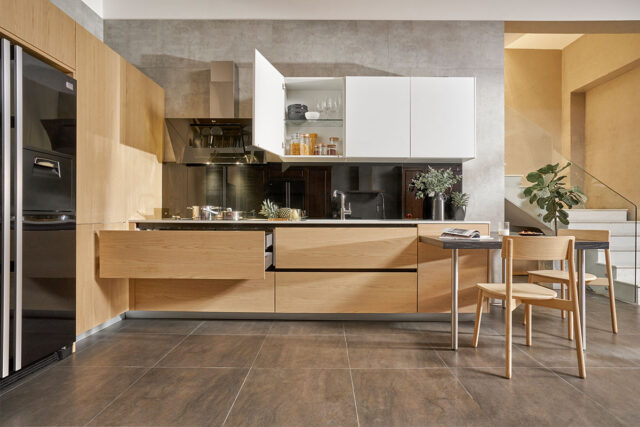
Such movement needs to be considered in the construction process to avoid issues like splits along the grain, open joints, jammed drawers, or doors. Cabinetmakers have developed ingenious techniques over the years to address these problems when working with solid wood. However, high-quality man-made materials are now considered more stable and reliable, reshaping how modern furniture is made. These engineered materials, which are a key component of what modern furniture is made of, offer greater predictability in their behavior, allowing manufacturers to create furniture with fewer concerns about warping or deterioration over time.
While solid wood is still utilized, especially for turned, shaped, or molded items, as well as for lippings to conceal the edges of manufactured boards, most flat panels are now composed of these fabricated materials.
Natural Wood
The rising demand for affordable furniture has emphasized the importance of using wood efficiently and understanding how modern furniture is made. With natural wood being highly inefficient as a material, only about 25 percent of the tree’s natural substance is actually utilized in solid wood furniture production. This percentage considers the loss of sawdust during the conversion process from the tree trunk, which involves removing outer slabs and sapwood.
Additionally, there is further waste generated when the lumber is prepared for use in the workshop, including offcuts, waste from shaping, turning, planing, cutting joints, and the final cleaning process. Considering these factors, it becomes apparent that a significant amount of wood is wasted rather than effectively utilized in modern furniture production.
Plywood
To create plywood, veneers are peeled from logs using a machine with a long knife, resulting in unlimited-width veneers that can be cut as needed. This process is an essential part of how modern furniture is made. There is no sawdust loss, and peeling continues until only a central core remains.
The same technique also applies to laminated boards, reshaping what modern furniture is made of, where both the core material and outer plies are peeled. Another method used in modern furniture manufacturing is chipboard, where timber is reduced to fine chips, which are then dried, compressed, and assembled into boards using resin glue. Veneers play a crucial role in achieving the desired wood grain appearance and are sliced from selected flitches, further defining what modern furniture is made of.
>> Read more: The Best Source Office Furniture Calgary In 2022?

Other Materials
Wood has been the traditional material for furniture making, but alternative materials are now being used alongside or instead of wood in modern furniture production. Plastic laminate is particularly popular for tabletops, offering various colors and designs, including realistic wood grain patterns. It provides benefits such as resistance to stains and heat, easy maintenance, and effortless cleaning.
How modern furniture is made includes applying plastic laminate as a veneer on man-made materials like plywood, laminated board, or chipboard, using a contact adhesive. Adding plastic edging before attaching the main surface is necessary.
To trim the overlapping edges of the plastic panel without damaging the edging, a portable router with a veneer-trimming unit is essential. Metal, especially iron, is also utilized for furniture stands and legs, with welding being the preferred joining method.
Finishes have also undergone a transformation in how modern furniture is made. The traditional finish of French polish, which was widely used until the 1930s, has been largely replaced by glossy or eggshell lacquers. These modern lacquers are sprayed onto the furniture’s surface, providing enhanced heat and water resistance, durability, and protection against marks and scratches. This shift reflects advancements in manufacturing techniques and materials, ensuring that modern furniture not only looks sleek and stylish but also withstands the rigors of daily use for years to come.
2. Storage And Transport
Storage and transportation play crucial roles in furniture making and understanding how modern furniture is made. The space occupied by furniture in relation to the actual materials used can be disproportionately large, especially when it comes to mass-produced items that require significant storage capacity.
This challenge is amplified during international shipping. Consequently, many furniture pieces are designed as “knockdown” or flat-pack furniture, allowing them to be disassembled and stacked efficiently.
For instance, a knockdown wardrobe may only occupy a quarter of its original space when taken apart. Initially, screw fastenings were commonly used to join the furniture components together. However, a wide range of fittings have been developed to achieve easier and more precise assembly, reshaping how modern furniture is made. These fittings often involve simple machining processes such as recessing or boring holes. Many of them operate on the principles of cams, screws, or wedges to securely connect the furniture parts. This evolution in assembly techniques not only improves efficiency during manufacturing but also enhances the user experience by facilitating easier assembly and disassembly of furniture pieces.
Woodworking Machinery
The development of retail trade and the decrease in direct customer-maker interactions were made possible by the invention of various woodworking machines, mostly powered by steam. Although handwork still existed, only large manufacturers could afford significant machinery installations, which influenced what modern furniture is made of by enabling mass production and standardization.
The shortage of timber during and after World War II made conditions extremely difficult for furniture makers. However, in the 1950s, there was a gradual return to more decorative furniture, marked by the introduction of new materials, machinery, adhesives, and finishes, influencing how modern furniture is made. This period saw advancements in manufacturing technologies and the adoption of synthetic materials, such as plastics and fiberglass, which offered greater versatility and affordability. Additionally, the development of new adhesives and finishes improved the durability and aesthetics of furniture, further shaping the evolution of modern furniture production techniques.

Modern commercial furniture production can be divided into general furniture (bookcases, wardrobes, tables, etc.), chairs and upholstered suites, and specialized items. Each group can be further subdivided based on quality and type, offering a comprehensive understanding of what modern furniture is made of and how it is produced.
Specialized items made by a few handcraftsmen on special commissions are also available, which are often expensive due to their individual craftsmanship and the use of high-quality materials. These handmade pieces often employ labor-intensive techniques, contributing to higher costs. While furniture produced by modern hand craftsmen is exquisitely made using top-notch materials, it may require a discerning eye to appreciate the intricate details of how modern furniture is made.
Period Furniture
Recreating period furniture and exploring how modern furniture is made is a distinct category within the furniture manufacturing industry that demands the highest level of craftsmanship. While modern materials like veneered plywood or laminated board can be used for certain elements, the construction methods primarily adhere to traditional techniques, particularly in areas where visible machine work would be noticeable. Veneers are applied using presses, moldings are created using spindle molders, and shapes are cut using bandsaws or jigsaws.
Commercial-grade furniture encompasses a wide range of quality, ranging from lower-priced items to high-grade pieces that prioritize individual hand craftsmanship for processes where the use of machines may compromise quality, shaping how modern furniture is made. This diversity in quality reflects the different production methods and materials used by manufacturers to meet various market demands. While mass-produced furniture often relies on automated processes and standardized materials to achieve efficiency and affordability, artisanal craftsmanship remains valued for its attention to detail and bespoke quality. Understanding the spectrum of commercial-grade furniture underscores the complexity of modern furniture production and the importance of balancing cost, quality, and craftsmanship in meeting consumer needs.
For instance, hand-cut dovetails are employed for drawers, and in certain cases, hand-cut joints are also utilized. This commitment to meticulous detail and artisanal techniques enhances the overall value and appeal of the furniture.
Modern Factory Layout
In modern furniture factories, mass-production lines are commonly employed, reshaping how modern furniture is made. The process begins with a main conversion shop where timber is cut into usable sizes and then brought to the required moisture content in a kilning section. This initial step sets the foundation for efficient manufacturing processes, ensuring that the raw materials are prepared to the necessary specifications before being further processed into furniture components. By streamlining production through mass-production lines, manufacturers can achieve economies of scale and meet the demands of a competitive market while maintaining consistent quality standards.
Radio-frequency heating has become popular for drying wood and plywood quickly and evenly. The wood is pressed between metal plates to ensure even drying of thick pieces. The planing and jointing shop reduces the wood to the required dimensions and performs any necessary tenoning, dowelling, or dovetailing.
>> Relate post: What Is Most Furniture Made Of – An Expert’s Point Of View
The veneer department is crucial in how modern furniture is made, with jointing and matching of veneers being important steps. Veneer pressing is typically done using progressive pressers, utilizing modern techniques to ensure precision and efficiency. The assembly shop, another integral part of modern furniture production, utilizes a line or conveyor-belt system, with special cramping jigs ensuring accurate and efficient gluing, reshaping how modern furniture is made. This streamlined approach to assembly allows for faster production times and consistent quality control throughout the manufacturing process.
The work then progresses through sanding, finishing, and fitters’ shops before being examined for defects, illustrating the meticulous attention to detail that characterizes what modern furniture is made of. Smaller firms may outsource veneering and other tasks to maintain a steady production flow and balance personnel in different departments, reflecting the adaptability and flexibility of modern manufacturing practices. This integration of technology and craftsmanship ensures that what modern furniture is made of meets the highest standards of quality and durability while remaining cost-effective and efficient.

The Production Process
The production of furniture begins with the creation of detailed working drawings, illustrating how modern furniture is made, which are usually prepared by draftsmen in consultation with the designer. In smaller-scale operations, the hand craftsman typically handles the entire process. Full-size drawings are then made to show proportions and construction details, and a sample piece is created to test the design and cutting techniques.
Cutting lists are prepared, material costs are calculated, and estimates of machining and assembly time are determined, illustrating how modern furniture is made. When producing furniture in large quantities, costs are reduced by using the same machine settings and cutters for each part.
Once the timber is selected, having already gone through the seasoning kiln and converted to standard thicknesses, it moves to the machine shop. There, it is cut, planed, molded, grooved, or rebated according to the requirements, showcasing the initial stages of how modern furniture is made. Intricate carvings, such as legs, are roughly carved on multiple-spindle carving machines and then finished by hand carvers.
Veneering, jointing (tenoning, dowelling, dovetailing), and sanding operations are carried out using a combination of automatic machines and hand techniques, illustrating how modern furniture is made. After the glue has set, the parts may undergo additional machining, such as sanding joints and shaping edges, before returning to the assembly department for final assembly.
The Art of Chairmaking
Chairmaking has been a distinct branch of furniture production since the mid-17th century, shaping how modern furniture is made. It is known for its complexity, involving intricate angles, compound shapes, and challenging joints, while requiring maximum strength due to the strain chairs endure. The Windsor chair, constructed mostly from turned parts with a solid wood seat; the framed dining chair, available with either loose or stuff-over seats; and the upholstered chair.
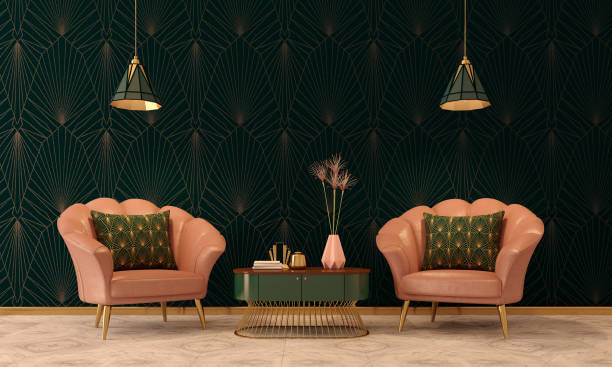
The Windsor Chair has a historical association with the High Wycombe District of Buckinghamshire in Britain, where beech trees are abundant. In the past, craftsmen worked in huts within the beech woods, producing turned chair parts.
They felled trees, and split them into sections to create chair legs, uprights, and lighter members for rails, influencing how modern furniture is made. Using a primitive pole lathe powered by a treadle and a springy sapling, they were able to turn the parts with remarkable efficiency. These turned parts were then delivered to chairmaking firms for assembly.
Fully Upholstered Furniture
The production of fully upholstered furniture often represents a distinct sector in the furniture industry, and how modern furniture is made involves a combination of traditional craftsmanship and modern techniques.
While large manufacturers may produce both upholstered and non-upholstered pieces, the creation of fully upholstered items largely remains a craft that relies on skilled and experienced craftsmen to ensure the production of high-quality furniture, shaping how modern furniture is made. The standard foundation for upholstery consists of a system of coiled steel springs placed on a burlap webbing and tied to the furniture frame, which can be made of wood, fiberglass, or plywood.
These springs serve as the base for filling materials such as rubberized hair, foam rubber, palm fiber, or Spanish moss, providing comfort and support. A thick layer of cotton or foam rubber sheets further enhances the padding on top of the spring system.
The upholstery process, a key aspect of how modern furniture is made, involves using muslin as an inner covering, while durable upholstery fabric is used as the outer and finishing cover. Loose cushions are filled with specialized spring units and layered with cotton, all encased in upholstery fabric to create a cozy and inviting seating surface.
Follow us and contact us on Linkedin for more useful information and quality products.








