


What is modern furniture? What is the difference between contemporary and modern? Modern furniture refers to designs from the modernist movement characterized by sleek lines and minimalism, while contemporary furniture reflects current design trends and is constantly evolving. Modern furniture has a specific historical period, while contemporary furniture is more flexible and reflects the present time.

Understanding What Is Modern Furniture: Exploring its Origins and Principles
Modern furniture is an influential design movement that emerged in the late 19th century and continued to evolve until the mid-20th century. It revolutionized the way we perceive and interact with furniture, introducing a fresh and innovative approach to interior design. In this comprehensive exploration, we will delve into the origins and principles that define what is modern furniture, shedding light on its enduring significance in the world of design.
Origins of What Is Modern Furniture:
- The roots of what is modern furniture can be traced back to the late 19th century, during the advent of the industrial revolution and the rise of the modernist movement. Influenced by the ideals of progress, technological advancements, and social change, designers sought to create furniture that reflected the spirit of the times.
- One of the pioneers of what is modern furniture was the renowned architect and designer, Charles-Édouard Jeanneret, better known as Le Corbusier. His groundbreaking designs emphasized functionality, simplicity, and a harmonious blend of form and function. Le Corbusier’s iconic furniture pieces, such as the LC2 and LC4 chairs, became symbols of modernist design and continue to be highly sought after today.
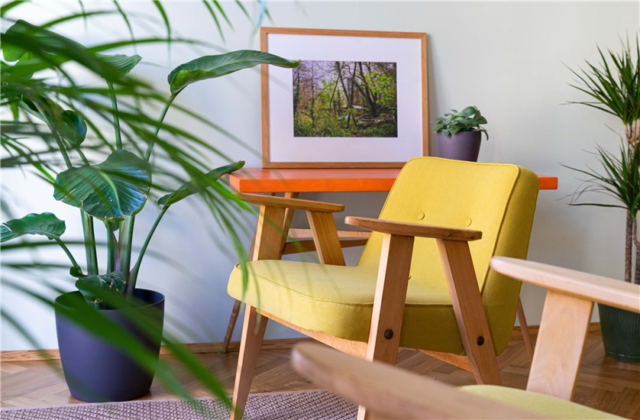
Principles of What Is Modern Furniture: It is characterized by several key principles that set it apart from traditional styles. These principles include:
- Functionality: Modern furniture prioritizes the practical aspects of design, emphasizing functionality above all else. Each piece is designed with a purpose in mind, ensuring that it serves its intended function effectively and efficiently. This focus on functionality enhances the usability and usability of modern furniture, making it highly desirable for contemporary living spaces.
- Minimalism: Minimalism is a defining characteristic of modern furniture. Clean lines, uncluttered surfaces, and a reduction of ornamental details are key elements of minimalist design. What is modern furniture embraces simplicity, allowing the beauty of form and materials to shine through without unnecessary embellishments. This minimalist approach creates a sense of calm and visual harmony within a space.
- Form Follows Function: The principle of “form follows function” is central to what is modern furniture design. It means that the form or appearance of a piece should be dictated by its intended purpose and function. The design of what is modern furniture pieces is driven by their intended use, resulting in sleek, streamlined forms that are both visually appealing and practical.
- Innovative Materials and Techniques: Modern furniture designers are known for their exploration of new materials and innovative manufacturing techniques. Materials like steel, glass, and molded plywood were introduced, allowing for the creation of unique and unconventional furniture designs. These materials not only offered durability and versatility but also facilitated the creation of organic and sculptural forms.
- Timeless Appeal: Despite being rooted in a specific historical period, modern furniture maintains a timeless appeal. Its clean lines, minimalistic aesthetics, and focus on functionality have ensured its enduring popularity. Modern furniture effortlessly integrates into various design styles, making it a versatile choice for both contemporary and traditional interiors.

The Influence of What Is Modern Furniture Today:
- Modern furniture continues to have a profound impact on contemporary design. Its principles and aesthetics have permeated various aspects of interior design, architecture, and product development. The clean lines, functional design, and minimalist approach to modern furniture have inspired generations of designers, shaping the way we create and experience spaces today.
- Moreover, the demand for authentic and well-preserved vintage modern furniture pieces remains high. Collectors and enthusiasts appreciate the timeless beauty, quality craftsmanship, and historical significance associated with original modern furniture designs.
In conclusion, modern furniture emerged as a design movement that redefined the way Q-Furniture thinks about furniture and interior spaces. With its emphasis on functionality, minimalism, and innovative materials, modern furniture continues to influence contemporary design and captivate individuals seeking timeless elegance and functionality in their living environments.
>>> Read more: Best Place To Buy Furniture In 2023
Key Elements of What Is Modern Furniture
- Sleek and Clean Lines: Modern furniture is characterized by its clean, crisp lines that exude simplicity and elegance. Discover how these sleek profiles can create a sense of spaciousness and contribute to a visually uncluttered environment.
- Minimalistic Approach: Embracing the “less is more” philosophy, modern furniture focuses on essential elements, avoiding excessive ornamentation. Learn how minimalist design principles can promote a sense of calm and harmony in your living spaces.
- Functionality and Practicality: Modern furniture emphasizes functionality, offering practical solutions for everyday living. Explore the ingenious storage options, modular designs, and multi-purpose furniture pieces that optimize space utilization without compromising style.
- Innovative Materials and Finishes: Contemporary furniture incorporates a wide range of materials, from wood and metal to glass and plastic. Discover the use of innovative finishes and textures that add a touch of sophistication to what is modern furniture designs.

Popular Styles of What Is Modern Furniture
Modern furniture encompasses a wide range of styles, each with its own unique characteristics and influences. These styles emerged during different periods within the modernist movement and continue to inspire contemporary design.
Mid-century modern furniture gained prominence during the mid-20th century, particularly in the 1950s and 1960s. It is characterized by clean lines, organic shapes, and a blend of simplicity and functionality. Designers like Charles and Ray Eames, Hans Wegner, and Arne Jacobsen were influential in this style, creating iconic pieces such as the Eames Lounge Chair and the Egg Chair.
Hailing from the Nordic region, Scandinavian design became synonymous with modern furniture in the mid-20th century. It embraces a minimalist aesthetic, focusing on simplicity, functionality, and natural materials. Light-colored woods, such as birch and beech, are often used, along with clean lines and subtle curves. Brands like IKEA and designers like Alvar Aalto and Hans J. Wegner contributed significantly to this style.
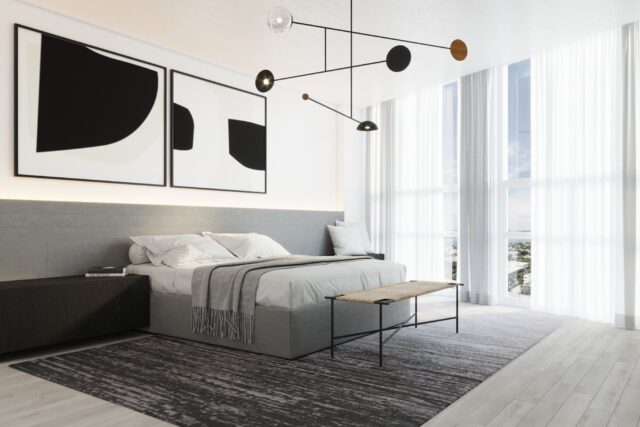
The Bauhaus movement, originating in
Germany in the early 20th century, had a profound impact on what is modern furniture design. It emphasized the unity of art, craft, and technology, seeking to create practical yet aesthetically pleasing designs. Bauhaus furniture features geometric forms, simplicity, and the innovative use of materials. Designers like Marcel Breuer, Ludwig Mies van der Rohe, and Wassily Kandinsky were associated with this style.
Industrial chic or industrial-inspired furniture draws inspiration from the raw and utilitarian aesthetics of industrial spaces. It often incorporates materials like metal, reclaimed wood, and exposed hardware. This style celebrates the beauty of imperfections and embraces a rugged, urban vibe. Industrial designers such as Xavier Pauchard and Charles and Ray Eames have contributed to this popular style.
Contemporary minimalism represents a fusion of modern design principles with a focus on minimalism and simplicity. It combines clean lines, neutral color palettes, and open spaces, creating an uncluttered and serene environment. Contemporary minimalism embraces the idea of “less is more” and often incorporates sustainable materials and eco-friendly practices.
While Art Deco is primarily associated with the early 20th century, it influenced what is modern furniture design with its luxurious and glamorous aesthetic. Art Deco furniture features bold geometric patterns, rich materials like exotic woods and metals, and intricate detailing. It exudes elegance, opulence, and a sense of sophistication.
These are just a few examples of the popular styles within modern furniture. Each style offers a unique design language and interpretation of modernist principles, allowing individuals to find furniture that resonates with their personal tastes and complements their living spaces. Whether you prefer the timeless elegance of mid-century modern or the simplicity of Scandinavian design, what is modern furniture styles continue to inspire and shape contemporary interiors.
Transform Your Living Space with Modern Furniture
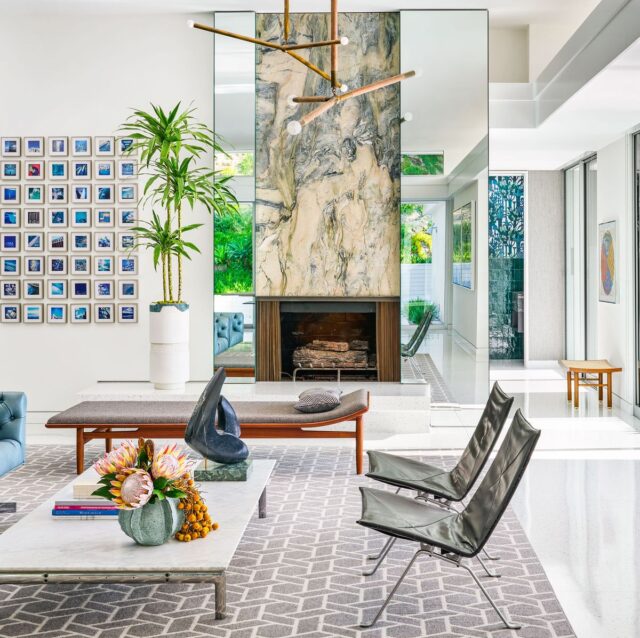
Modern furniture has the power to completely transform your living space, elevating it to new levels of style, functionality, and comfort. Whether you’re looking to revamp your entire home or update a specific room, incorporating modern furniture can breathe new life into your interior design.
- For the living room: The living room is often the centerpiece of a home, and modern furniture can make it even more inviting and stylish. Consider incorporating a sleek and comfortable modern sofa, adorned with clean lines and plush cushions. Pair it with a contemporary coffee table featuring minimalist design and interesting geometric shapes. Add some modern lounge chairs or accent chairs for additional seating options. Modern media consoles and entertainment units can also enhance the functionality and visual appeal of your living room.
- For dining Area: Modern dining furniture can transform your dining area into a chic and welcoming space. Choose a modern dining table with a minimalist design, complemented by chairs that feature clean lines and ergonomic comfort. Consider opting for materials like glass or polished wood to add a touch of sophistication. Modern sideboards or buffets can provide both storage and display space while maintaining a cohesive aesthetic.
- For Bedroom Retreat: Create a tranquil and stylish bedroom retreat with modern furniture pieces. Choose a platform bed with a sleek and minimalistic design, accompanied by contemporary bedside tables. Modern dressers and wardrobes with clean lines and ample storage can help you maintain a clutter-free and organized space. Incorporate modern lighting fixtures, such as pendant lights or minimalist floor lamps, to complete the modern aesthetic.
By embracing modern furniture, you can create a contemporary and stylish living environment that reflects your personal taste and lifestyle. From the living room to the bedroom and beyond, what is modern furniture has the power to transform your space into a modern haven of comfort and sophistication.
What is Modern Furniture vs Traditional Furniture different: A Comparison of Styles and Characteristics
Modern furniture and traditional furniture represent two distinct design styles, each with its own unique characteristics and aesthetics. Understanding the differences between these two styles can help you determine which one aligns better with your personal preferences and the desired atmosphere for your living space. Let’s explore the key differences between modern furniture and traditional furniture:
Design Aesthetics:
Modern Furniture: Modern furniture embraces a minimalist and contemporary aesthetic. It focuses on clean lines, simplicity, and a sleek overall appearance. The design often emphasizes functionality and practicality, with an emphasis on form following function. Modern furniture tends to feature a neutral color palette and utilizes materials such as metal, glass, and plastic. It creates a sense of openness, spaciousness, and simplicity.
Traditional Furniture: Traditional furniture, on the other hand, reflects a more ornate and classic aesthetic. It draws inspiration from historical periods and cultural influences, with intricate details, decorative motifs, and elaborate carvings. Traditional furniture often features curved lines, luxurious fabrics, and rich wood finishes. The color palette is generally warm and includes deep tones like mahogany, cherry, and walnut. Traditional furniture exudes elegance, opulence, and a sense of timeless grandeur.
Shapes and Silhouettes:
Modern Furniture: favors clean, geometric shapes and sleek silhouettes. Straight lines, crisp angles, and smooth curves are commonly found in modern designs. Furniture pieces often have a streamlined and minimalist appearance, with an emphasis on simplicity and uncluttered forms. Geometric shapes such as squares, rectangles, and circles are prevalent in what is modern furniture design.
Traditional Furniture: In contrast, traditional furniture incorporates more elaborate shapes and decorative elements. It often features curved lines, ornate carvings, and intricate detailing. Furniture pieces may have a more substantial and bulky appearance compared to modern furniture. Silhouettes are often inspired by historical styles, such as the graceful curves of Queen Anne or the cabriole legs of Chippendale furniture.
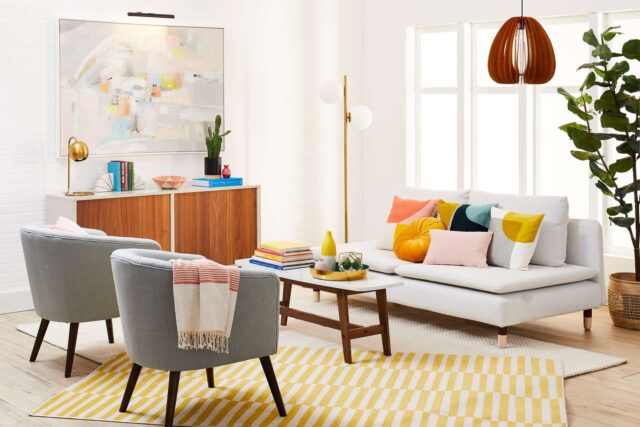
Materials and Finishes:
Modern Furniture: embraces the use of innovative and industrial materials. It often incorporates materials such as metal, glass, leather, molded plywood, and engineered wood. Smooth and polished finishes are common, emphasizing a sleek and contemporary look. Modern furniture designs prioritize functionality and durability, utilizing materials that offer clean lines and a minimalist aesthetic.
Traditional Furniture: places a strong emphasis on natural materials, particularly solid wood. Fine hardwoods such as oak, mahogany, and cherry are commonly used. Traditional furniture may feature hand-carved details and decorative inlays. Finishes tend to be rich and glossy, showcasing the beauty and grain of the wood. Upholstered pieces in traditional furniture often feature luxurious fabrics, ornate patterns, and decorative trimmings.
Time Period and Influences:
Modern Furniture: emerged during the modernist movement of the late 19th century to the mid-20th century. It was influenced by industrialization, advancements in technology, and the desire for simplicity and functionality. Key design movements that influenced modern furniture include Bauhaus, Mid-Century Modern, and Scandinavian design.
Traditional Furniture: Traditional furniture draws inspiration from historical periods and cultural influences, such as Victorian, Renaissance, or Colonial styles. It embodies the craftsmanship and design principles associated with these eras, often reflecting a sense of heritage, formality, and classic elegance.

Choosing Between Modern and Traditional Furniture:
When deciding between modern and traditional furniture, consider your personal style preferences, the overall aesthetic you want to achieve, and the atmosphere you want to create in your living space. Modern furniture is ideal for those seeking a clean, contemporary look with a focus on functionality and simplicity. It suits minimalist or modern interior design styles.
Traditional furniture, on the other hand, is suited for those who appreciate ornate detailing, historical charm, and a sense of timeless elegance. It pairs well with classic or formal interior design styles.
It’s worth noting that you can also blend elements of modern and traditional furniture to create an eclectic or transitional style that incorporates the best of both worlds. Ultimately, the choice between modern and traditional furniture is a personal one that should reflect your individual tastes and the vision you have for your living space.
Q-Furniture is a renowned brand in the world of interior design, offering stylish and functional furniture solutions that align with modern furniture. With a commitment to quality craftsmanship and innovative design, Q-Furniture is at the forefront of incorporating the latest color trends into its collections.
Follow us and contact us on Linkedin for more useful information and quality products.








