


The shades of wood bring an unmatched elegance and warmth to any interior design. Whether aiming for a contemporary, rustic, or minimalist look, the various shades of wood provide a natural charm and sophistication that can enhance the overall ambiance of any space. From light and airy tones to deep and rich hues, the diversity of shades of wood available allows for endless design possibilities. This article delves into the nuances of shades of wood and their impact on interior design, covering fundamental aspects, finishes, styles, and types of wood commonly used in interiors.

Fundamentals of Wood in Design
Wood is a fundamental element in interior design, offering a blend of natural beauty and practicality that few other materials can match. The versatility of wood makes it an ideal choice for various design styles, from rustic to contemporary. Each type of wood, with its unique grain patterns and colors, brings its own character to a space. The shades of wood available range from light and airy to deep and rich, allowing for creative flexibility in any design project.

Properties of Wood
Understanding the properties of wood is essential in selecting the right shades of wood for interior design. Wood is not only valued for its aesthetic appeal but also for its strength, durability, and versatility. The grain, texture, and color of wood vary widely, providing a unique look and feel for each piece. Hardwood and softwood varieties each have distinct properties that make them suitable for different applications. The shades of wood can range from pale, creamy colors to dark, almost black hues, influenced by factors such as the type of tree, growing conditions, and the part of the tree from which the wood is harvested.
Sustainability of Wood
Sustainability is a crucial consideration in modern interior design. Opting for sustainable wood sources ensures that the environmental impact is minimized. Certified sustainable woods come from forests managed in an environmentally responsible manner, promoting biodiversity and reducing carbon footprints. Choosing the right shades of wood from sustainable sources not only contributes to eco-friendly practices but also supports the longevity and health of forests globally.
Wood Finishes
Surface Treatments
The finish applied to wood can significantly affect its appearance and durability. Surface treatments enhance the natural beauty of the shades of wood and protect against wear and tear. Common surface treatments include staining, painting, and varnishing. Staining can bring out the grain and deepen the color, adding depth to the shades of wood. Painting provides a uniform color and can completely transform the look of the wood, while varnishing offers a clear, protective layer that enhances the wood’s natural tones.
Protective Coatings
Protective coatings are essential for maintaining the quality and appearance of wood over time. These coatings shield the wood from moisture, UV rays, and physical damage. Polyurethane, lacquer, and oil-based finishes are popular choices. Each type of coating can enhance different shades of wood in unique ways, ensuring that the wood remains beautiful and durable for years to come.
>> Related post: Wood Commonly Used in Mid-Century 20th Modern Furniture
Design Styles and Wood
Contemporary
In contemporary interior design, shades of wood play a crucial role in creating sleek, modern spaces. Light woods with minimal grain patterns are often favored for their clean, airy look. The use of bleached oak, ash, and maple can add a sense of spaciousness and brightness to a room. The subtle shades of wood in contemporary design complement minimalist aesthetics and emphasize simplicity and functionality.
Rustic
Rustic design embraces the natural, raw beauty of wood. Darker shades of wood with pronounced grain patterns and natural imperfections are ideal for creating a cozy, inviting atmosphere. Reclaimed wood and distressed finishes add character and history to rustic interiors. Woods like walnut, cherry, and mahogany bring warmth and richness to rustic spaces, making them feel grounded and authentic.

Minimalist
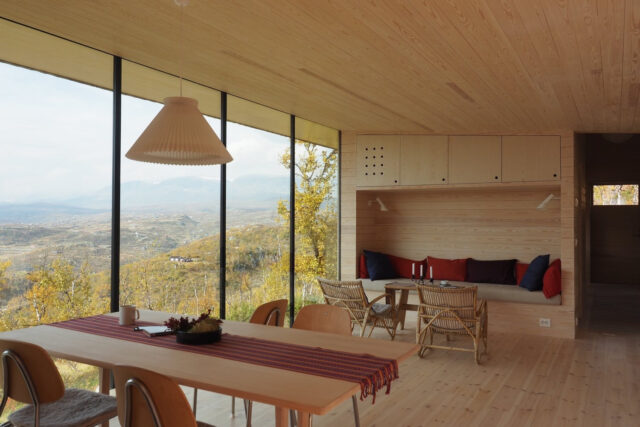
Minimalist design focuses on simplicity and functionality, often incorporating shades of wood that are light and unobtrusive. The use of pale woods such as birch and pine helps maintain a clean, uncluttered look. The natural shades of wood in minimalist interiors provide a subtle contrast to the often stark, monochromatic color schemes, adding a touch of warmth and texture without overwhelming the space.

Industrial
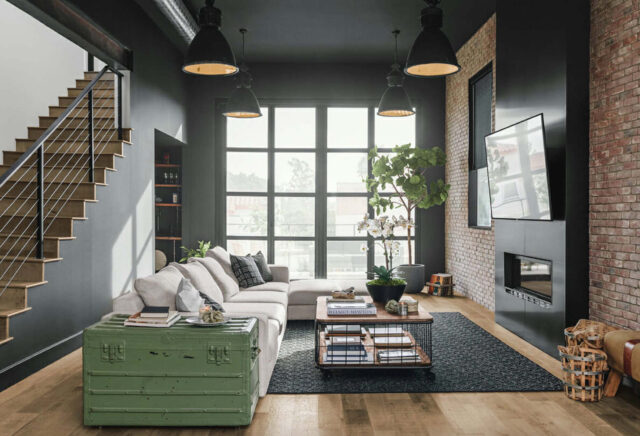
Industrial design blends raw, unfinished materials with a sleek, modern aesthetic. The shades of wood used in industrial interiors typically include darker tones like blackened oak and rich mahogany. These deep shades of wood complement the rough, metallic elements commonly found in industrial spaces, creating a balanced and cohesive look.
Types of Wood in Interior Design
Oakwood
Oakwood is a versatile and durable hardwood known for its prominent grain and range of shades of wood. From light tan to rich brown, oak’s natural beauty makes it a popular choice for flooring, furniture, and cabinetry. Its strength and resistance to wear make it ideal for high-traffic areas. Oakwood’s adaptability means it can be finished in various styles, from rustic to modern, allowing it to blend seamlessly into different interior design aesthetics. The diverse shades of wood in oak also make it a perfect candidate for staining, enhancing its natural patterns and grains to create a warm, inviting ambiance in any room.

Cedarwood
Cedarwood is prized for its distinctive aroma and natural resistance to decay and insects. The shades of wood in cedar range from light amber to deep reddish-brown, offering a rich palette that adds warmth and depth to spaces. Cedar’s unique properties make it suitable for closets, chests, and outdoor furniture, where its durability and fragrance can be appreciated. Additionally, cedarwood is often used in sauna construction due to its ability to withstand high humidity and temperatures, providing a luxurious and enduring option for wellness spaces. Its natural oil content not only preserves the wood but also imparts a soothing scent that enhances the overall sensory experience.

Pinewood
Pinewood is a softwood with a light, creamy color that can be stained or painted to match various shades of wood. Its affordability and ease of use make it a popular choice for DIY projects and rustic furniture. Pine’s natural knots and grain patterns add character and charm to any space. This wood is often chosen for its versatility and the way it ages beautifully over time, developing a patina that tells a story of use and care. Pinewood is also commonly used in paneling and accent walls, where its natural aesthetic can create a cozy, cabin-like atmosphere, making interiors feel both welcoming and stylish.
Alderwood
Alderwood offers a warm, honey-colored hue with a fine, straight grain. It is relatively soft compared to other hardwoods, making it easy to work with. The shades of wood in alder are often enhanced with stains and finishes, allowing it to mimic more expensive woods like cherry or walnut. Alder is frequently used in cabinetry and millwork, where its smooth texture and consistent appearance can be fully appreciated. Additionally, its ability to take on a variety of stains means it can be adapted to both traditional and contemporary designs, providing a cost-effective yet stylish option for homeowners and designers alike.

Beechwood
Beechwood is known for its light color and smooth texture. The shades of wood in beech range from pale cream to light brown, providing a neutral base that complements various design styles. Its hardness and fine grain make it suitable for furniture, flooring, and veneers. Beech is often used in modern and Scandinavian designs due to its clean, understated look. Its strength and resistance to shock also make it a preferred material for making chairs and other pieces of furniture that require durability. The uniform texture of beechwood allows for a polished finish, enhancing its appeal in minimalist and contemporary interiors.

Lyptus Wood
Lyptus wood is a sustainable hardwood with a rich, reddish-brown color similar to mahogany. Its fast growth rate and renewable nature make it an eco-friendly choice. The shades of wood in Lyptus are deep and vibrant, adding a touch of luxury to any interior. This wood is prized for its density and durability, making it suitable for high-end flooring and furniture that demand both beauty and performance. Lyptus’s fine grain and smooth texture allow for a high level of detail in craftsmanship, making it an excellent choice for intricate designs and bespoke furniture pieces that stand out.

Cherrywood
Cherrywood is highly valued for its rich, reddish-brown color that deepens with age. The shades of wood in cherry range from pale pink to dark, luxurious brown. Cherry’s fine grain and smooth texture make it ideal for high-end furniture and cabinetry. This wood is often chosen for its elegant appearance and the way it naturally darkens over time, adding a sense of depth and richness to the furniture. Cherrywood’s ability to take on a high polish makes it a favorite for creating sophisticated, timeless pieces that are both functional and aesthetically pleasing, suitable for both traditional and modern interiors.

Walnut Wood
Walnut wood is known for its dark, chocolate-brown color and straight grain. The shades of wood in walnut can vary from light brown to almost black, making it a favorite for creating contrast in interior design. Walnut’s strength and beauty make it perfect for statement pieces like dining tables and headboards. This wood is often used in luxury interiors where its deep hues and striking patterns can be fully appreciated. Walnut’s ability to be carved and shaped makes it ideal for custom furniture and detailed woodwork, providing a sense of elegance and sophistication to any space it inhabits.
>> Related post: Top Furniture Factories in Vietnam 2024

Padauk Wood
Padauk wood stands out with its bright, reddish-orange hue that gradually darkens over time. The shades of wood in Padauk are bold and eye-catching, making it a unique choice for decorative elements and specialty furniture. Its durability and resistance to wear ensure it remains beautiful for years. This exotic wood is often used in high-end designs where its vibrant color can be showcased. Padauk’s distinctive look makes it perfect for accent pieces and inlays, adding a pop of color and exotic flair to interiors. Its resilience to decay also makes it suitable for outdoor use, ensuring longevity and sustained beauty.

Explore the Marvelous of Different Shades of Wood in Interior with Q-Furniture Vietnam
Q-Furniture Vietnam offers a wide range of shades of wood to meet diverse design needs. From the light, airy tones of birch and maple to the deep, rich hues of walnut and mahogany, their selection caters to various styles and preferences. Their commitment to quality and sustainability ensures that every piece of wood used in their products is sourced responsibly and crafted to perfection. By exploring the different shades of wood available through Q-Furniture LinkedIn and Q-Furniture Fanpage, designers and homeowners can create stunning, timeless interiors that reflect their unique tastes and values.
Conclusion
The shades of wood play a pivotal role in interior design, offering endless possibilities for creating beautiful, functional spaces. By understanding the properties, finishes, and types of wood available, designers can make informed choices that enhance the aesthetic and practical qualities of their interiors. Whether opting for light, airy tones or deep, rich hues, the diverse shades of wood available provide a versatile and sustainable option for any design style. Embracing the natural beauty of wood can transform any space, adding warmth, elegance, and a timeless appeal.








