People often find themselves contemplating the question of ‘how to care for your dining room furniture,’ recognizing its crucial role in keeping a clean and resilient dining area. Ensuring longevity and preserving the welcoming ambiance of your dining space hinges on proper care for your dining table. Here are some key tips on how to take care of your dining room furniture effectively.
How To Take Care Of Dining Table
Natural Wood
Daily and Weekly Maintenance
On a daily basis, integrating a few habits that align with caring for your dining table can significantly contribute to the extended lifespan of your furniture. This approach can address the issue of how to take care of your dining room furniture effectively.
Dust Regularly: Dedicate a moment to dust your table daily. While seemingly minor, dust accumulation can cause scratches on the wood. Utilize a microfiber towel for gentle buffing. Steer clear of commercial silicone-based dusting sprays, as they may lead to long-term damage.
Clean up spills promptly: Avoid leaving crumbs and food on the table, as these seemingly harmless elements can result in stains and scratches on the surface.
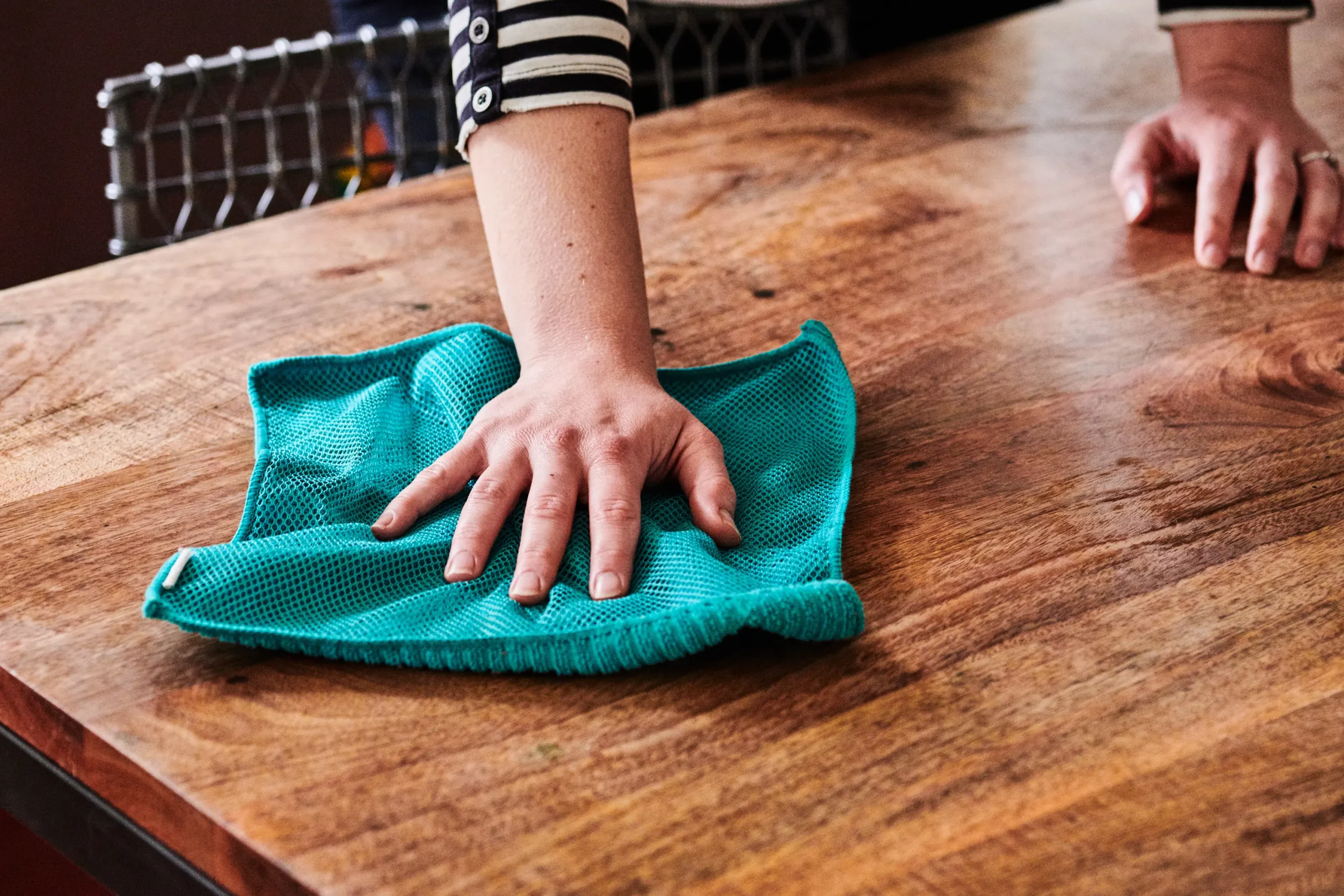
Mind your accessories: Exercise caution with accessories such as watches, rings, and metal jewelry when seated at the table. These items can inadvertently cause damage.
Avoid sliding objects: Refrain from sliding plates and pots across the table, as this action can cause scratches and wear over time.
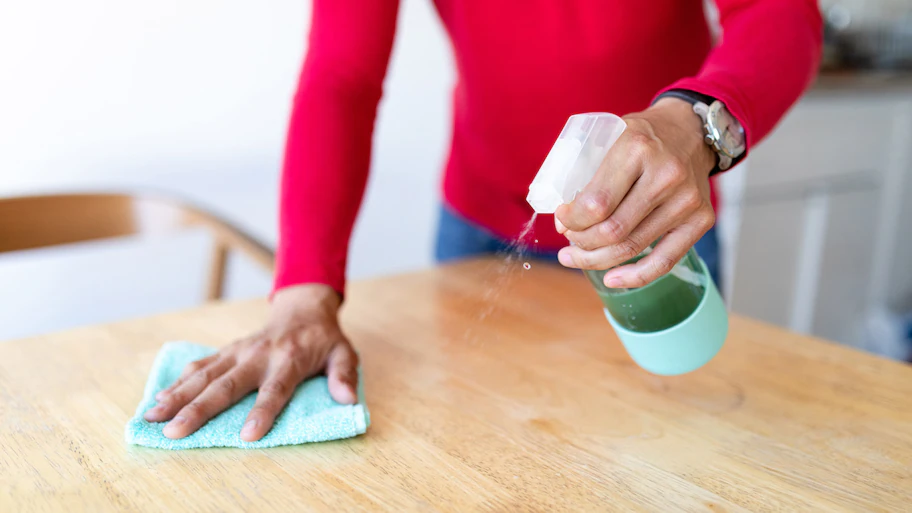
Deep cleaning: Periodically, give your table a thorough cleaning by wiping it with a cloth dampened with mild soap and water. Ensure that the table doesn’t remain wet after cleaning.
Protect with tablecloth and pads: Consider using a tablecloth, and for added protection, employ a table pad. Placemats and coasters can further contribute to safeguarding against condensation marks, heat damage, and oil stains.
By incorporating these habits into your daily routine, you’ll be well on your way to mastering how to take care of your dining room furniture and ensuring its lasting beauty.”
>> Related Post: 5 Essential Steps: How to Choose a Dining Table

Long-term maintenance
- To breathe new life into worn or damaged wood furniture, regular refinishing is essential. For extension tables, avoid leaving the leaves inserted for extended periods to prevent insufficient support and potential bending in the middle. Preserve structural integrity by exercising caution.
- If your table is predominantly used on one side or exposed to sunlight unevenly, periodically flip it to promote even aging. This simple practice ensures uniform distribution of wear and sunlight effects across the surface.
- Being proactive in addressing damage, practicing care with extension tables, and promoting even usage contribute to sustained beauty and functionality. The refinishable nature of hardwood tables allows scratches to gradually soften and integrate over time, especially with consistent and even utilization.
How to take care of your dining room furniture involves recognizing the advantage of a hardwood table’s refinishing capability. With proper maintenance, you’ll observe that scratches naturally soften and integrate over time, particularly when the table is consistently and evenly utilized. Take note of how your grandmother’s oak table still maintains its beauty over the years – a testament to the graceful aging of well-maintained wood
>> Read more: Best place to buy furniture in 2023
Glass Top
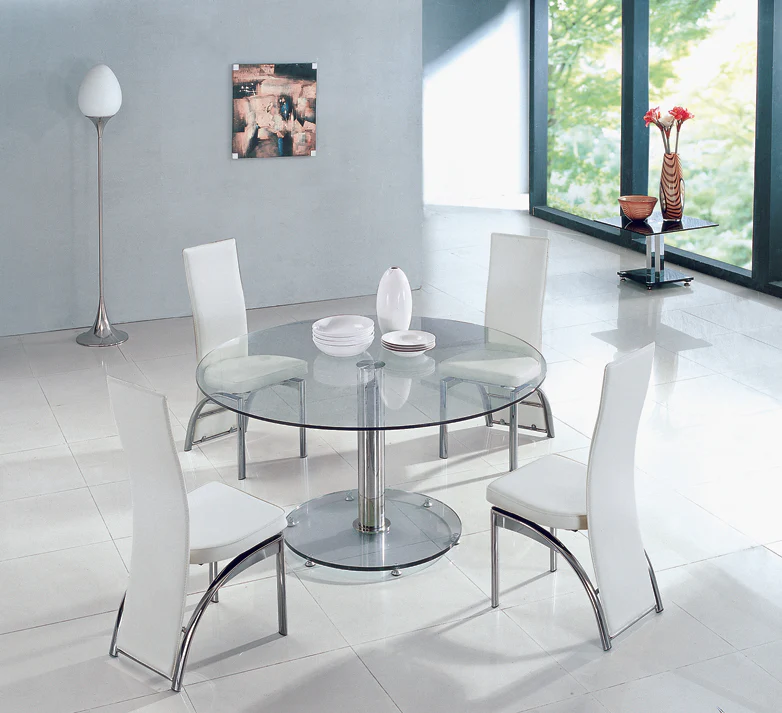
When considering how to take care of your dining room furniture, particularly a glass-top table, note that scratches may have limited solutions. However, don’t let this deter you from choosing a style you love. Everyday scratches on glass are often visible only under specific lighting conditions. With careful handling, you can minimize the risk, but like wood, susceptibility to scratches can be unpredictable.
To ensure the longevity of your dining room furniture, particularly a glass top table, exercise caution with jewelry and avoid sliding plates directly on the surface. Employing placemats provides an additional protective layer. As part of how to take care of your dining room furniture, it’s recommended to clean the glass top table using a mixture of ammonia and water or a natural glass cleaner to maintain its impeccable appearance.