


When furnishing your home, understanding how to choose a dining table that aligns with your style, space, and functional needs is essential. A dining table is more than just a spot for eating; it’s the centerpiece of many cherished moments, from lively family gatherings to intimate dinners. This guide is dedicated to helping you navigate through the process of choosing a dining table that not only complements your home but also enriches your everyday life.

Understanding Your Space and Needs
Assessing the Size of Your Dining Area
How To Choose a Dining Table? Before embarking on your quest to find the perfect dining table, it’s crucial to get a clear picture of your dining area’s dimensions with Q-furniture. An oversized table can make your space feel cramped and restrict movement, while a table that’s too small may not meet your functional needs and can disrupt the room’s aesthetic balance. To ensure optimal comfort and accessibility, aim for at least three feet of clearance around the table. This space allows for easy chair movement and comfortable seating for guests. Additionally, consider the shape of your dining area: rectangular spaces often accommodate longer tables, while square rooms might better suit round or square tables.
Determining Your Style Preferences
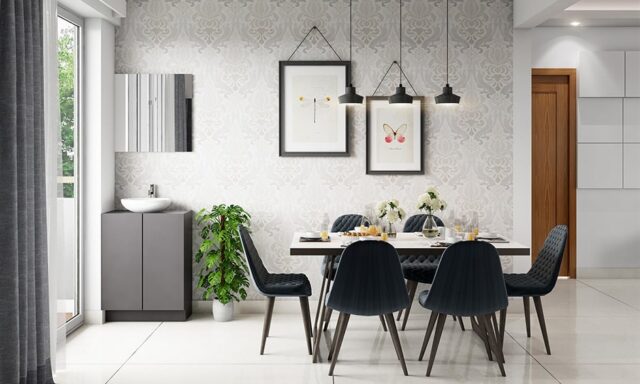
Selecting a dining table that harmonizes with your home’s existing decor is a vital step in creating a cohesive and inviting space. If your inclination is towards a sleek, modern aesthetic, look for tables with clean lines and minimalist design. On the other hand, if you have a penchant for traditional decor, tables with intricate details or classic wood finishes might be more appealing. It’s important to take into account the color schemes and existing furniture styles in your dining area. A table that complements these elements seamlessly integrates into your space, enhancing the overall ambiance.
Considering Functionality and Usage
Reflecting on the primary use of your dining table is crucial in making the right choice. If you frequently entertain large groups or host special events, consider an extendable table. These tables offer the flexibility to accommodate extra guests when needed but can be downsized for everyday use. On the other hand, if your table will primarily be used for regular family meals and smaller, more intimate gatherings, a fixed, sturdy table might be the better option. Such tables often provide a sense of stability and durability, essential for daily activities.
>> Our Most Views Post: Best Place To Buy Furniture in 2023
Material and Durability Considerations
Wood Tables

Glass and Metal Tables
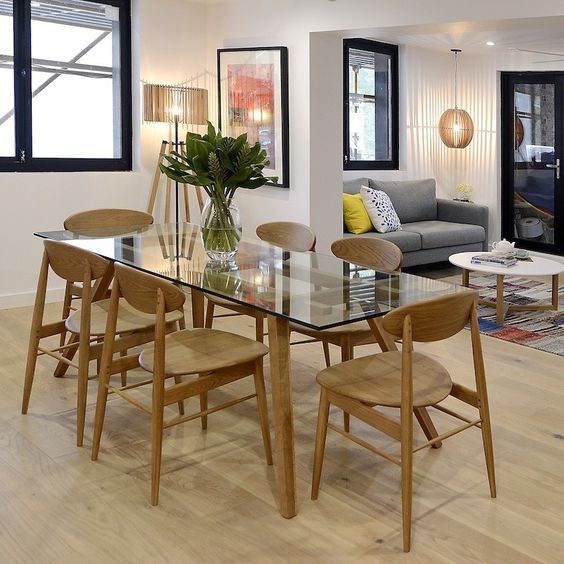
Adding to the contemporary options, glass, and metal tables are not only sleek but also bring a sense of openness and lightness to a room, ideal for creating an illusion of more space in smaller areas. Their surfaces are typically less prone to staining and can be wiped clean effortlessly, making them a practical choice for busy households. However, it’s important to weigh these benefits against your lifestyle needs. For instance, homes with young children might find glass tables less suitable due to safety concerns, and those with a penchant for classic decor might find metal tables too industrial.
Composite and Plastic Tables
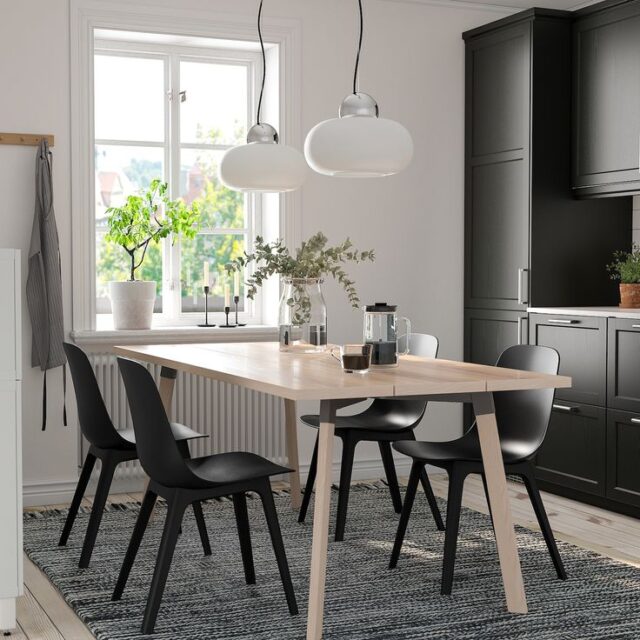
For those seeking modern and affordable dining table options, composite or plastic tables present an excellent solution. These materials offer great versatility in design, ranging from sleek, contemporary looks to more traditional styles, making them suitable for a variety of home decor.
Their ease of maintenance is another significant advantage, as they often require just a simple wipe-down to keep clean. However, it’s important to consider that while they are budget-friendly, composite and plastic tables may not have the same longevity and robustness as their wood or metal counterparts. This trade-off between cost and durability is an important factor, especially if you’re looking for a long-term investment in your dining space.
>> Read more: How to Update a Traditional Dining Room in 2023
Design and Aesthetic Appeal
Choosing the Right Shape
The geometry of your dining table plays a significant role in defining both its aesthetic appeal and practicality. Round tables are excellent for fostering a sense of intimacy and encouraging conversation among diners, making them a superb choice for those who enjoy social dining experiences. They also work wonderfully in compact spaces, as their lack of corners makes navigating around them easier.
In contrast, rectangular tables are a perfect match for elongated rooms, providing ample space for seating and serving, especially suitable for larger families or those who host guests frequently. Square tables, with their symmetrical dimensions, are ideally suited to square-shaped rooms, creating a sense of balance and proportion. They are particularly effective in creating a cozy and organized dining area in smaller spaces.
Color and Finish Impact
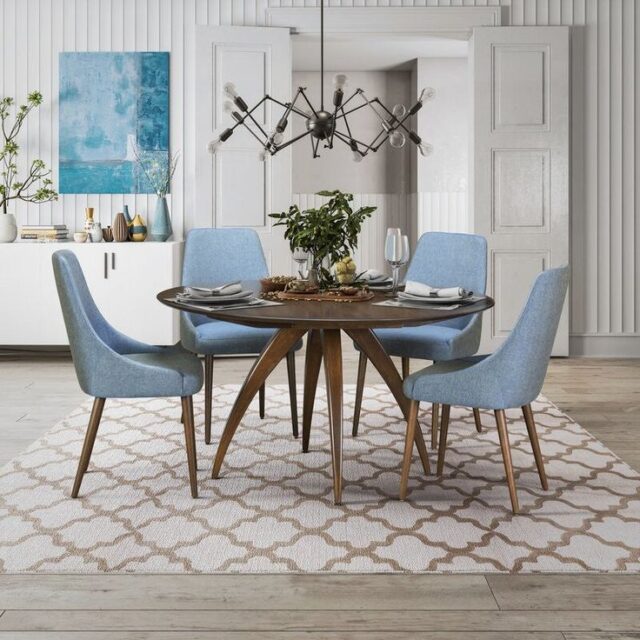
The selection of color and finish for your dining table is a crucial aspect that contributes significantly to the overall ambiance of your room. A table with a darker hue, such as rich mahogany or deep walnut, can impart a sense of sophistication and formality to your dining space, making it ideal for those who frequently host formal dinners or want to create an elegant dining area.
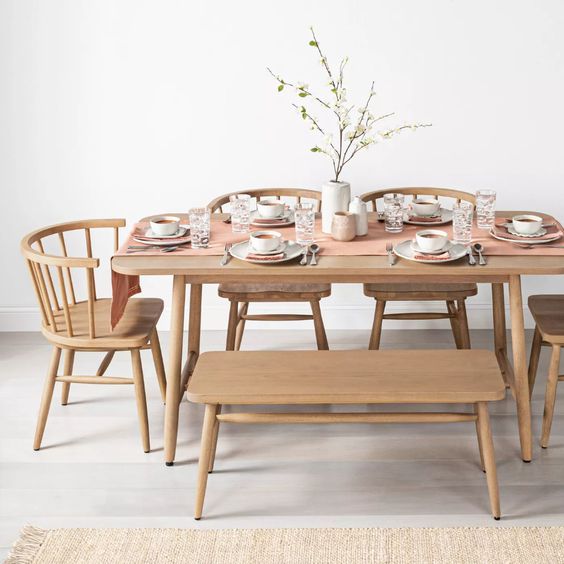
Conversely, lighter colors like natural oak, pine, or painted white can lend a more relaxed and breezy vibe to the room, perfect for casual family meals and creating a welcoming, laid-back atmosphere. It’s important to consider how these color choices blend with the existing color palette and decor elements of your room. The right color and finish of your dining table can either complement and enhance your current decor or serve as a striking focal point, depending on your desired aesthetic.
Coordinating with Existing Decor
A table that contrasts with your current setup can serve as a bold statement piece, adding a dynamic and interesting visual element to your dining area. This approach can be particularly striking in a room with a more neutral or monochromatic color scheme, where the table can stand out as a centerpiece. On the other hand, selecting a table that matches or complements your existing furniture style and color palette can create a sense of harmony and cohesion in the space.
This choice is ideal for those who prefer a more unified and seamless interior decor. The decision between contrast and harmony depends on your personal style and the atmosphere you want to create in your dining area.
>> Read more: How to Choose the Right Dining Table for Your Home
Conclusion
How To Choose a Dining Table? Choosing the perfect dining table involves considering your space, needs, and personal style. Whether you opt for a classic wooden table or a modern glass design, remember that it’s not just about aesthetics but also about creating a functional and inviting space for you and your loved ones. Keep these tips in mind as you select the ideal dining table for your home.








