


Discover a wide range of sustainable materials for furniture choices that not only enhance the aesthetic appeal of your living space but also contribute to a healthier planet. From bamboo and reclaimed wood to recycled metal and cork, these sustainable materials offer durability, style, and environmental benefits. Explore innovative furniture designs crafted from these materials, each piece reflecting a commitment to sustainability and craftsmanship. With Sustainable Materials for Furniture, you can create a home that is both beautiful and environmentally conscious, making a positive impact on one piece of furniture at a time.
Introduction
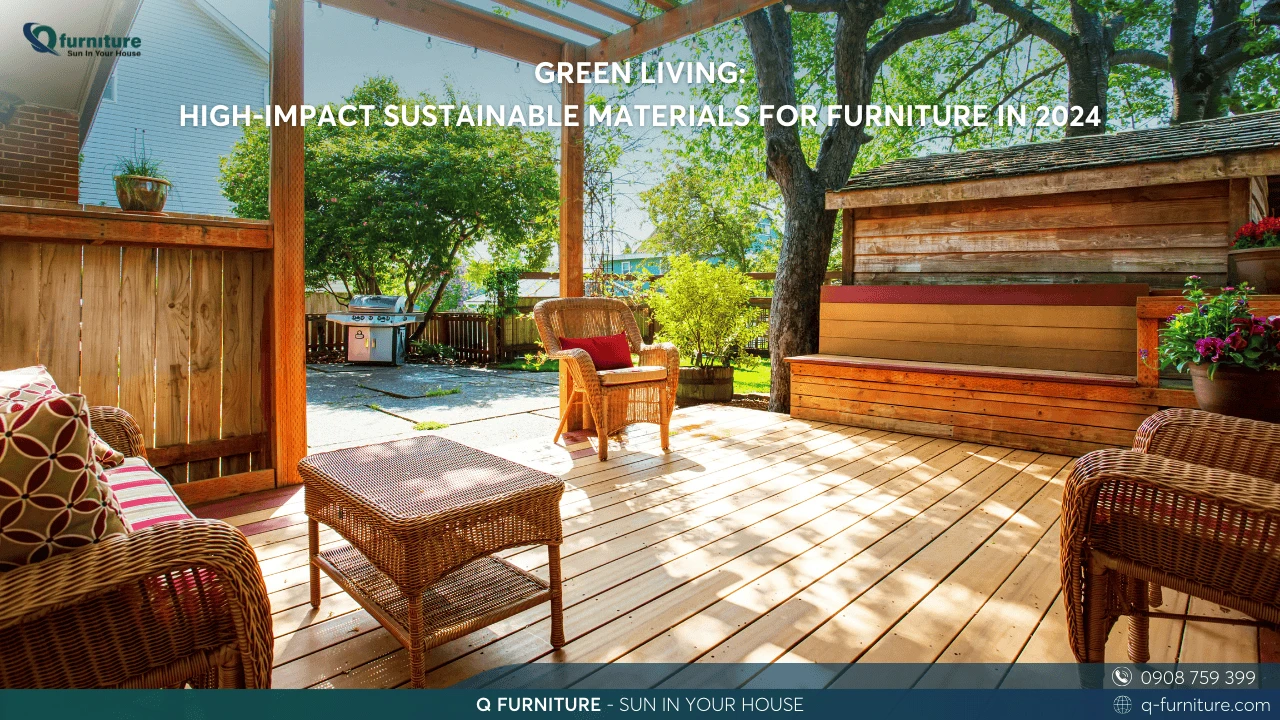
In today’s eco-conscious world, sustainable materials for furniture are gaining significant popularity. Homeowners increasingly seek stylish yet environmentally friendly options for their living spaces. Sustainable materials for furniture not only enhance the aesthetic appeal of homes but also contribute to a healthier planet. This article explores various sustainable materials for furniture that make excellent choices for modern interiors. By understanding the benefits and options available, you can make informed decisions that align with your commitment to sustainability and eco-friendly living.

Why Choose Sustainable Furniture?
Sustainable materials for furniture benefit both the environment and your home. These eco-friendly materials significantly reduce carbon footprints and promote healthier living spaces. By choosing sustainable materials for furniture, you support ethical production practices and reduce waste. Additionally, sustainable furniture often involves less chemical use, contributing to better indoor air quality. This choice is not only a step towards a greener planet but also an investment in the health and well-being of your household..
Best Sustainable Materials for Furniture
Bamboo
Bamboo is a top choice for sustainable materials for furniture. It’s fast-growing and renewable, making it an eco-friendly option. Bamboo furniture is durable and stylish, fitting well in various interior designs. Bamboo furniture is durable and stylish, fitting well in various interior designs. Its natural strength rivals that of many hardwoods, and it can be crafted into a wide range of styles, from sleek and modern to rustic and traditional.
>> Related post: How To Choose Sustainable Outdoor Furniture For Your Green Patio
Wood
When considering sustainable materials for furniture, wood is probably the first natural material that springs to mind. Among the most used sustainable materials for furniture, softwoods are relatively fast-growing and more easily replaced, making them an eco-friendly choice. In contrast, hardwoods grow more slowly, making furniture crafted from them generally more expensive. For true sustainability, always look for the FSC (Forest Stewardship Council) trademark. This certification ensures that the wood is grown and managed in sustainable forests, not illegally cut or harvested.
An excellent wood substitute and sustainable material for furniture is MDF (Medium-Density Fiberboard). MDF is made from recycled wood shavings, fibers, and discarded portions of wood, transforming them into usable boards. Although MDF lacks the character and grain of real wood, it remains a sustainable and environmentally friendly material.
All wooden furniture, including pieces made from MDF, is recyclable at the end of its life span. Provided it hasn’t been treated with an array of chemicals, wood remains one of the best sustainable materials for furniture designs.
Straw
One of the most exciting sustainable materials for furniture in 2024 is Ecoboard, also known as Wheatboard. This innovative material is part of the next generation of MDF, made from 100% high-quality natural wheat straw. Utilizing advanced technology and a formaldehyde-free adhesive, Ecoboard is a completely environmentally friendly sustainable material.
Ecoboard’s high tensile strength, impressive weight-bearing capacity, and natural resistance to moisture and fire make it an ideal choice for the residential furniture industry, office furnishings, flooring, construction, and the building industry. These exceptional properties are why Ecoboard is rapidly gaining popularity as a leading sustainable material for furniture.
Cork
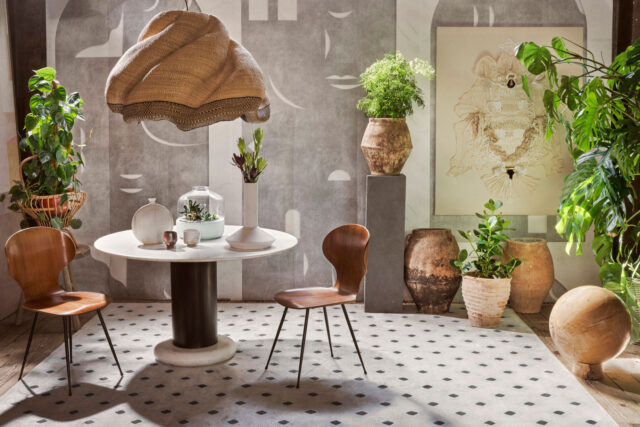
Cork is harvested from the bark of cork oak trees without harming the tree. It’s a renewable resource that regenerates quickly. Cork furniture is lightweight, durable, and offers a natural, earthy aesthetic. Choosing cork as one of the sustainable materials for furniture supports renewable practices and adds a unique texture to your home decor.
Choosing sustainable materials for furniture such as bamboo, reclaimed wood, recycled metal, and cork not only supports eco-friendly practices but also brings unique and stylish elements to your interior spaces. Each of these materials has distinct characteristics that make them both functional and visually appealing, ensuring your furniture is both sustainable and stylish.
Recycled Materials
Recycled materials are increasingly recognized as essential sustainable materials for furniture. These materials, which would otherwise end up in landfills, are now being creatively repurposed by designers. By focusing on reducing, reusing, and recycling, the furniture industry is discovering innovative ways to integrate these sustainable materials for furniture into stylish and eco-friendly designs. This shift not only conserves resources but also supports a more sustainable future for furniture production.
Cardboard
One eco-friendly furniture material that is gaining popularity is corrugated cardboard, finished with glass tops and strengthened with metal rods. UK-based company Deckle and Chop, a leader in sustainable materials for furniture, has been in business for over 20 years. Initially, they focused on manufacturing standard boxes for commercial and business use. However, their design team has since diversified, developing innovative designs to produce 100% recycled and recyclable furniture.
Deckle and Chop’s range includes side and coffee tables, shelves, lighting, and other décor items, all made from sustainable materials for furniture. Their commitment to eco-friendly practices ensures that each piece not only looks stylish but also contributes to a greener planet.
Scaffold Boards and Recclaimed Materials
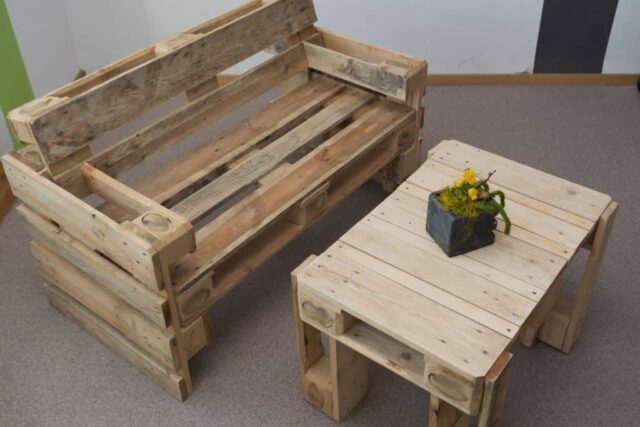
There are several innovative and contemporary craftsmen utilizing various reclaimed materials and turning them into sustainable furniture designs. A common choice for sustainable materials for furniture includes scaffold boards, pallets, and industrial-type fittings. These materials have been transformed into highly useful and attractive pieces of furniture, ranging from tables and chairs to shelving units and headboards.
Companies like Q-Furniture specialize in designing and building custom-made industrial scaffold furniture. Their sustainable furniture utilizes scaffold boards and reclaimed materials, and they pride themselves on their environmental core values and exceptional workmanship. Q-Furniture’s commitment to using sustainable materials for furniture ensures that each piece is not only stylish and functional but also eco-friendly.
Benefits of Sustainable Furniture
Environmental Impact
Sustainable materials for furniture reduce environmental harm. They often require less energy and water to produce and generate fewer greenhouse gases. Choosing sustainable materials for furniture helps protect forests, reduce landfill waste, and conserve natural resources.
Health Advantages
Eco-friendly furniture is typically free from harmful chemicals and toxins. This leads to better indoor air quality, reducing health risks associated with conventional furniture. Sustainable materials for furniture often have natural finishes and fewer pollutants.
Longevity and Durability
Sustainable furniture is often more durable than conventional options. Quality materials like bamboo and reclaimed wood stand the test of time. Investing in sustainable materials for furniture means fewer replacements, saving money in the long run.
Choosing sustainable materials for furniture not only benefits the environment but also promotes healthier living spaces and offers long-lasting value.
How to Identify Sustainable Furniture
Certifications
When identifying sustainable materials for furniture, look for certifications such as FSC (Forest Stewardship Council) or GREENGUARD. These labels ensure the materials meet strict environmental and health standards. Certified furniture guarantees sustainable materials for furniture are sourced and manufactured responsibly, supporting eco-friendly practices.
Material Sources
Research the origin of the materials used. Sustainable furniture companies often provide transparency about their sources. Opt for brands that prioritize ethical sourcing and environmental responsibility. Knowing where the materials come from ensures you are choosing sustainable materials for furniture that have minimal negative impact on the environment.
Manufacturing Practices
Consider the production methods used by the manufacturer. Eco-friendly manufacturers use processes that minimize waste and pollution. They often employ fair labor practices, ensuring ethical treatment of workers. This means that sustainable materials for furniture are not only good for the environment but also support fair and humane working conditions.
Identifying sustainable materials for furniture involves checking for relevant certifications, researching material sources, and considering manufacturing practices. By doing so, you can ensure that the furniture you choose is environmentally friendly, ethically sourced, and produced in a manner that supports sustainability and social responsibility. This thoughtful approach to selecting furniture helps create a healthier home and a healthier planet.
Related post: Authentic Craftsmanship – Your Guide to Sourcing Furniture Made in Vietnam

Discover the Versatility of Sustainable Materials for Furniture
Delve into the question: do sustainable materials like travertine tiles retain heat, especially in sunlight? Gain valuable insights into the heat retention properties of travertine and how they influence outdoor comfort. Learn effective methods to clean sustainable materials such as travertine to preserve their beauty and ensure longevity. Immerse yourself in our innovative interior concepts that highlight the timeless elegance of sustainable materials. Visit our Q-Furniture LinkedIn page and QF – Factory Direct Furniture. for further exploration of contemporary furniture designs and maintenance tips for your sustainable surfaces. Embark on a transformative journey as we redefine elegance in interior decor with the enduring charm of sustainable materials
Conclusion
Sustainable materials for furniture offer numerous benefits for both the environment and everyone in your family. By choosing bamboo, reclaimed wood, recycled metal, or cork, you can create a stylish, eco-friendly living space. Sustainable materials for furniture help reduce environmental impact, conserve resources, and promote healthier indoor air quality. Sustainable furniture is a smart investment for a healthier home and a greener planet, ensuring durability and long-term savings. Making informed choices about sustainable materials for furniture contributes to a more sustainable future while enhancing the beauty and functionality of your living space.








