


Is Wood Furniture Sustainable? Sustainability has become a key consideration in modern living. With increasing awareness, people are more mindful of their choices, including furniture. Wood furniture, known for its timeless appeal, is often scrutinized for its environmental impact. Is wood furniture sustainable? Let’s delve into this topic to uncover the truth.

The Origins of Wood Furniture
Wood furniture is crafted from various types of wood, each with unique characteristics that contribute to its appeal and functionality. Common options include oak, pine, and teak, each offering distinct aesthetics and durability. When considering is wood furniture sustainable, it is essential to focus on the sourcing of the raw material. The sustainability of wood furniture begins with responsible forestry practices. These practices ensure that trees are harvested in a manner that allows forests to regenerate naturally. This approach not only maintains the ecological balance but also supports biodiversity by preserving natural habitats and promoting healthy forest ecosystems. Understanding is wood furniture sustainable involves recognizing the importance of these sustainable sourcing methods.
Benefits of Wood Furniture
Wood furniture offers several environmental advantages:
- Renewable Resource: Wood furniture offers several environmental advantages that contribute to its sustainability. One of the primary reasons to consider is wood furniture sustainable is its status as a renewable resource. Unlike materials such as plastic and metal, wood is renewable. When sourced responsibly, wood can be continually replenished, ensuring a steady supply without depleting natural resources. This makes it a compelling choice for eco-conscious consumers.
- Carbon Sequestration: Another significant benefit when asking is wood furniture sustainable is its ability for carbon sequestration. Trees absorb carbon dioxide as they grow, storing carbon in their wood. This natural process helps reduce greenhouse gases in the atmosphere, making wood furniture a climate-friendly option. By choosing wood furniture, you are indirectly supporting the reduction of carbon emissions, which is a crucial factor in combating climate change.

- Biodegradable: Additionally, wood furniture is biodegradable. This means it breaks down naturally over time, returning to the earth without leaving harmful residues. In contrast to synthetic materials that persist in the environment for centuries, wood decomposes naturally, minimizing environmental impact. This biodegradability is a significant factor in determining is wood furniture sustainable.
- Durability and Longevity: Furthermore, the durability and longevity of high-quality wood furniture contribute to its sustainability. Well-crafted wood furniture can last for decades, reducing the need for frequent replacements and minimizing waste. This longevity not only conserves resources but also reduces the environmental footprint associated with manufacturing and disposal. When evaluating is wood furniture sustainable, the long-lasting nature of wood pieces plays a critical role.
>> Related post: Green Comfort: The Sensory Appeal of Sustainability in Furniture Design
Challenges to Wood Furniture Sustainability
While wood furniture has many benefits, there are significant challenges to its sustainability. One major issue is deforestation. Illegal logging and unsustainable forestry practices can lead to widespread deforestation, resulting in loss of habitat and a decline in biodiversity. This raises the question, is wood furniture sustainable when such practices are prevalent?
Another challenge is transportation emissions. The carbon footprint from transporting wood, especially exotic types, can be substantial. These emissions contribute to environmental pollution and climate change, prompting further inquiry into is wood furniture sustainable.
Additionally, chemical treatments used in some wood furniture can involve harmful substances that negatively impact the environment. These chemicals can pollute air and water, further complicating the sustainability of wood furniture.
Sustainable Practices in Wood Furniture Production
The question of whether is wood furniture sustainable is a significant one in today’s eco-conscious world. To address this, we must delve into the various aspects of wood furniture production that contribute to its sustainability.
- Sustainable Forestry: Certification programs such as the FSC (Forest Stewardship Council) play a pivotal role in ensuring that the wood used for furniture comes from forests that are responsibly managed with long-term sustainability in mind. This practice not only supports the idea that is wood furniture sustainable, but also promotes a healthier environment.

- Eco-Friendly Finishes:is another practice that bolsters the claim that is wood furniture sustainable. By utilizing non-toxic paints and varnishes, manufacturers can minimize the release of harmful emissions, thereby reducing indoor pollution and contributing to a safer living environment. This approach aligns with the sustainable ethos by prioritizing consumer health and the well-being of the planet.
- Energy-Efficient Manufacturing: Processes are essential in answering the question, is wood furniture sustainable. The adoption of energy-efficient machinery and practices, along with the utilization of renewable energy sources like solar or wind power, can significantly diminish the carbon footprint associated with the production of wood furniture. This not only makes the process more sustainable but also sets a standard for the industry to follow.
- Recycling and Upcycling: When old pieces are repurposed or reclaimed wood is used, it saves resources and prevents waste, further reinforcing the notion that is wood furniture sustainable. This circular approach to production ensures that materials are used to their fullest potential, reducing the need for new resources and minimizing the impact on the environment.
These practices collectively answer the question, is wood furniture sustainable, affirming that with the right methods, wood furniture can indeed be a sustainable choice for consumers looking to make environmentally responsible decisions.
Consumer Responsibility in Choosing Wood Furniture
As consumers, our choices significantly impact sustainability. To ensure the sustainability of wood furniture, consider these tips. Firstly, buy certified wood. Look for certifications like FSC or PEFC to ensure the wood is sourced responsibly. This addresses part of the question, is wood furniture sustainable.
Seondly, choose local products. Buying locally-made furniture reduces transportation emissions and supports local economies, making wood furniture more sustainable. Additionally, opt for quality over quantity. Investing in high-quality furniture that lasts longer is more sustainable than frequently replacing cheap items. Lastly, support ethical brands. Purchase from brands that prioritize sustainable practices and transparency in their operations, further ensuring that is wood furniture sustainable is answered positively.
By being mindful of these factors, consumers can make more informed decisions and contribute to the sustainability of wood furniture.
>> Related post: Authentic Craftsmanship – Your Guide to Sourcing Furniture Made in Vietnam
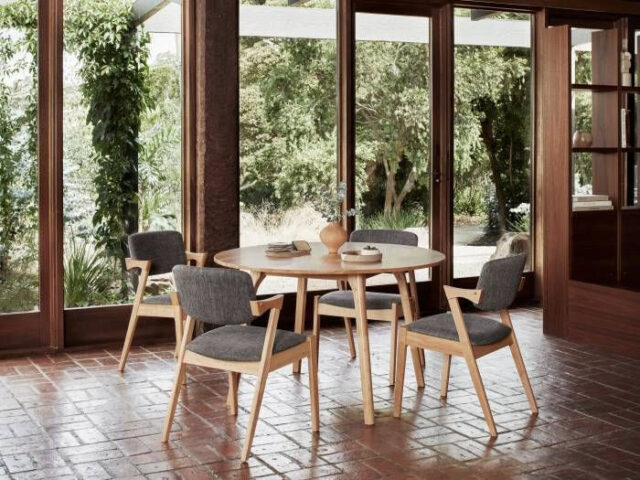
Is Wood Furniture Sustainable?
Wood furniture is a sustainable choice when sourced and produced responsibly. It is a renewable resource, contributing to carbon sequestration and biodegradability. However, sustainability depends on tackling challenges like deforestation, transportation emissions, and harmful chemical treatments. Consumers play a vital role by choosing certified wood, supporting local products, and investing in high-quality, ethical brands. Explore more about sustainable furniture on our Q-Furniture LinkedIn page and QF – Factory Direct Furniture. Discover how we redefine elegance in interior decor with the enduring charm of wood, and answer the question: is wood furniture sustainable?
Conclusion
The question of is wood furniture sustainable hinges on responsible sourcing and production. Understanding the origins, benefits, and challenges associated with wood furniture is crucial. Informed purchasing decisions can lead to a more sustainable future. With increasing awareness, the availability of eco-friendly wood furniture is on the rise, simplifying the process for consumers to make sustainable choices. Embracing these practices ensures that the answer to is wood furniture sustainable is a resounding yes, contributing positively to environmental conservation.








