


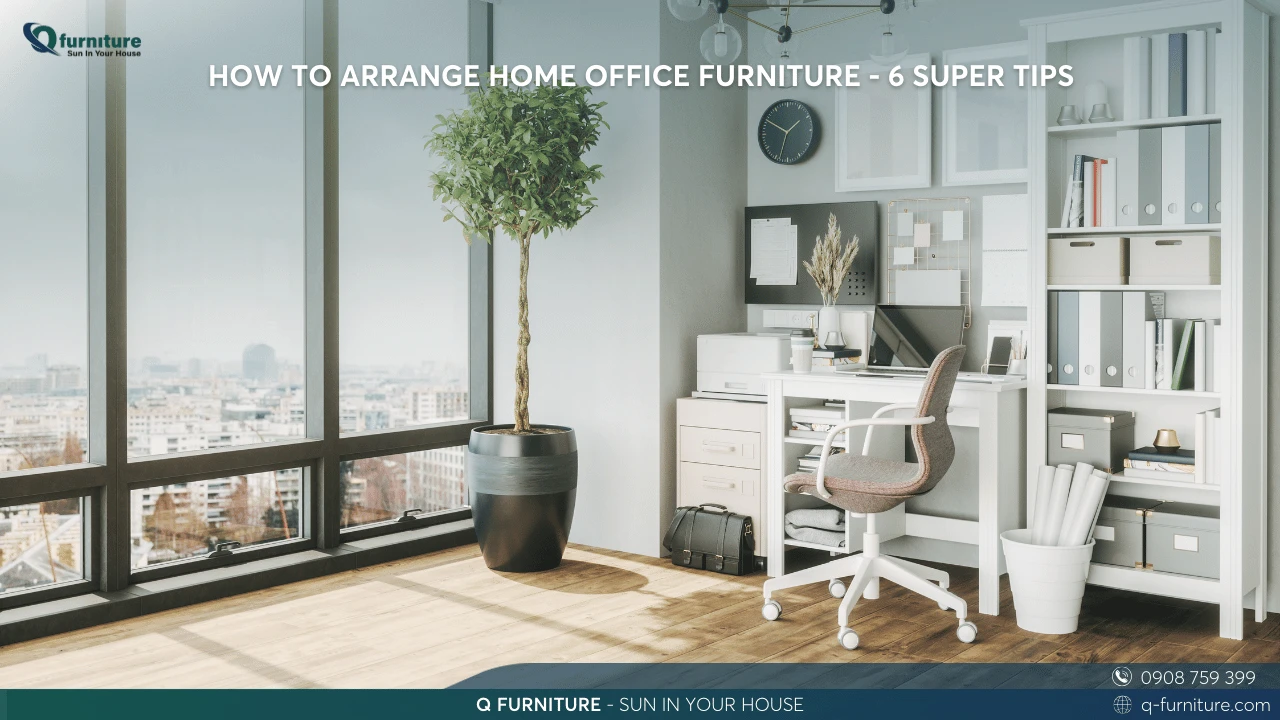

A seating area for work and relaxation plays a crucial role in creating a productive and comfortable home office environment. When considering how to arrange home office furniture, it’s essential to strike a balance between functionality and aesthetics. The arrangement should not only support productivity during work hours but also provide a cozy space for relaxation and unwinding.
Start by choosing a dedicated area for your home office, preferably one with ample natural light and minimal distractions. Selecting the right furniture is key to optimizing the space. A comfortable desk and ergonomic chair are fundamental elements, that ensure a conducive work environment. Position the desk near a window, if possible, to benefit from natural light, which can enhance focus and mood.

In addition to the main work area, incorporate a cozy seating arrangement for breaks and relaxation. A comfortable sofa or a set of plush chairs can create a welcoming spot for reading, taking short breaks, or engaging in casual meetings. Use soft furnishings like cushions and throws to add a touch of warmth and style to the space.
>>Related post: 5 Best Places Where to Buy Home Office Furniture Online
Consider the placement of shelves, cabinets, or storage units to keep the workspace organized and clutter-free. This not only contributes to a more efficient work environment but also enhances the overall aesthetic appeal of the home office.
When arranging furniture, keep in mind the importance of creating a layout that promotes easy movement and access to essential items. Experiment with different arrangements until you find a setup that suits both your work and relaxation needs. Personalize the space with artwork, plants, and decorative elements to make it truly yours.
In conclusion, a well-thought-out seating area for work and relaxation, combined with a carefully arranged home office furniture layout, can transform your space into a harmonious blend of productivity and comfort. The key is to prioritize both functionality and aesthetics to create a conducive environment for work while ensuring moments of relaxation are seamlessly integrated into your daily routine.
Room Design For Two People
Designing a room for two people, especially when considering a shared home office space, requires a thoughtful approach to ensure both functionality and harmony. When contemplating how to arrange home office furniture for two individuals, it’s essential to create a layout that fosters collaboration while providing each person with a personalized and productive workspace.
Begin by selecting a suitable room with enough space to accommodate separate workstations. Choose versatile furniture that complements the overall design while meeting the specific needs of each occupant. Opt for desks and chairs that can be easily customized to suit individual preferences, allowing for ergonomic adjustments.

To maintain a sense of unity in the room, consider placing the workstations facing each other or arranging them side by side. This arrangement facilitates communication and collaboration between the two occupants, fostering a conducive environment for joint projects or discussions.
Incorporate adequate storage solutions to keep the workspace organized and clutter-free. Each person should have dedicated storage space for their work essentials, minimizing distractions and creating a tidy environment. Utilize shelves, cabinets, or desk organizers to maximize storage efficiency without sacrificing style.
When choosing color schemes and decor, aim for a cohesive theme that reflects the personalities and preferences of both individuals. Harmonize the overall aesthetic by selecting complementary colors, coordinating furniture styles, and incorporating shared decorative elements.
To enhance comfort and functionality, ensure that each workstation is well-lit with task lighting. Position desks near natural light sources if possible, and supplement with adjustable desk lamps to provide focused illumination for work tasks.
Finally, create zones for breaks and relaxation within the shared office space. Consider adding a comfortable seating area or a small lounge space where both occupants can unwind during breaks. This thoughtful design approach balances the professional and personal aspects of the room, making it a conducive and enjoyable environment for both individuals.
>>Related post: 6 Designer-Approved Tips For A Home Office Layout That’s More WFH-Friendly
In conclusion, designing a room for two people, particularly for a shared home office, involves strategic placement of furniture, personalized touches, and a cohesive design theme. By carefully considering the needs of each occupant and fostering collaboration, a well-arranged home office space can cater to the individual workstyles of both individuals while promoting a harmonious and productive atmosphere.
Built-in Tech Storage
In the contemporary era of remote work and digital connectivity, incorporating built-in tech storage into your home office furniture arrangement is a savvy and practical choice. When contemplating how to arrange home office furniture, optimizing space for electronic devices and accessories is crucial for maintaining an organized and efficient workspace.

One effective strategy for integrating built-in tech storage is to choose desks or workstations with concealed compartments and cable management solutions. Look for furniture pieces that have dedicated drawers or cabinets designed to house laptops, tablets, chargers, and other electronic devices. This arrangement helps declutter the desktop and creates a streamlined appearance.
Consider the strategic placement of power outlets and charging stations within the built-in tech storage area. Position these outlets conveniently, ensuring easy access for charging devices without causing cable chaos. Cable organizers, clips, or built-in cable management systems can further contribute to a tidy and visually pleasing home office setup.
Wall-mounted shelves or cabinets with adjustable shelving are excellent options for tech storage. These versatile solutions allow you to customize the height and configuration of the shelves to accommodate various electronic gadgets, peripherals, and even decorative items. This arrangement not only maximizes vertical space but also adds a touch of modernity to your home office.

Additionally, if you use a desktop computer, consider furniture with a built-in CPU compartment or a dedicated space for the computer tower. This helps keep the computer off the floor, reducing dust accumulation and providing easy access for maintenance.
When arranging your home office furniture, be mindful of the ergonomics and accessibility of your tech storage solutions. Place frequently used devices within arm’s reach and ensure that the layout facilitates a comfortable and efficient workflow.
In conclusion, incorporating built-in tech storage into your home office furniture arrangement is a practical and aesthetic choice in the digital age. By strategically selecting furniture with dedicated compartments, cable management features, and customizable storage options, you can create a well-organized and technology-friendly workspace that enhances productivity and minimizes clutter.
Small Spaces Have Two Tasks
Small spaces pose a unique challenge when it comes to creating a functional and aesthetically pleasing home office. In such limited environments, the arrangement of home office furniture becomes crucial in maximizing both productivity and comfort. Small spaces have two primary tasks: optimizing the use of available square footage and ensuring that the home office setup remains conducive to focused work.
When considering how to arrange home office furniture in small spaces, the first task involves selecting compact and multifunctional pieces. Choose a desk that fits comfortably within the available space without overwhelming the room. Consider wall-mounted or foldable desks that can be easily stowed away when not in use, providing flexibility in a confined area.

Utilize vertical space to your advantage by incorporating shelving or wall-mounted storage units. These can serve as both practical storage solutions and decorative elements, helping to declutter the limited floor space. Arrange the shelves strategically to house office supplies, books, and personal items, keeping the work area organized and visually appealing.
In small spaces, the second task is to create an illusion of openness and prevent the room from feeling cramped. Opt for furniture with a light color palette to enhance the sense of airiness. Mirrors can also be strategically placed to reflect natural light and create the illusion of a larger space.
Consider dual-purpose furniture that serves both the home office function and complements the overall living area. For instance, a stylish chair that can be easily incorporated into the living room setting or a desk that doubles as a console table can help merge the workspace seamlessly into the existing home decor.
Effective cable management is another crucial aspect of arranging furniture in small home offices. Keep cords organized and out of sight to maintain a tidy and uncluttered appearance. Cable clips or organizers can be used to secure and hide cords along the back of furniture or against walls.
In conclusion, small spaces present a twofold challenge in home office design: optimizing functionality and maintaining an open, uncluttered atmosphere. By selecting space-saving furniture, utilizing vertical storage, incorporating light colors, and embracing dual-purpose elements, one can successfully arrange home office furniture to create a productive, visually appealing, and comfortable workspace within the constraints of limited square footage.
Many Layers Of Light
In the realm of home office design, achieving a well-lit and inviting workspace is integral to productivity and comfort. One effective strategy that’s gaining prominence is the concept of “layered lighting.” When contemplating how to arrange home office furniture, incorporating layered lighting involves strategically placing various light sources to create a balanced and adaptable illumination scheme.
Layered lighting typically consists of three primary layers: ambient lighting, task lighting, and accent lighting. Ambient lighting serves as the overall illumination for the room, providing a base level of brightness. This can be achieved through ceiling lights, pendant lamps, or recessed lighting fixtures strategically positioned to evenly illuminate the entire space.

Task lighting is crucial for specific work areas, such as a desk or reading nook. When arranging home office furniture, position task lights, such as desk lamps or adjustable floor lamps, to minimize shadows and provide focused illumination where it’s needed most. This layer of lighting is essential for tasks like reading, writing, or working on a computer.
Accent lighting adds the third layer, introducing depth and visual interest to the home office. Consider using accent lighting to highlight certain features or elements within the room, such as artwork, decorative pieces, or architectural details. This layer not only contributes to the overall ambiance but also enhances the aesthetic appeal of the workspace.
When arranging home office furniture with layered lighting in mind, ensure that each layer is strategically placed to avoid glare and shadows. Experiment with the positioning of lamps and fixtures to achieve an optimal balance of light throughout the space. Dimmer switches can also be incorporated to provide flexibility in adjusting the intensity of the lighting layers based on the time of day or specific tasks.
In conclusion, incorporating layered lighting is a thoughtful and practical approach when arranging home office furniture. By combining ambient, task, and accent lighting, individuals can create a well-balanced and versatile lighting scheme that enhances both functionality and aesthetics in their home office environment. This approach not only fosters a productive workspace but also adds a touch of sophistication to the overall design.








