


In today’s contemporary landscape, remote work has become increasingly prevalent, underscoring the critical importance of selecting the right office chair to optimize both comfort and productivity in a home office setting. This guide aims to offer a thorough exploration of what chair to buy for home office providing insights to help you make an informed decision and establish an efficient and comfortable workspace.

1. Assessing Your Needs
Before diving into the world of office chairs, it’s essential to assess your specific needs. Consider factors such as the amount of time you spend working, your body type, and any specific health considerations. This initial step helps narrow down the options and ensures you select a chair that caters to your unique requirements.

2. Ergonomic Design
Investing in an ergonomic chair is paramount for long-term comfort and well-being. Look for chairs with adjustable features, including seat height, armrests, and lumbar support. Ergonomic chairs promote good posture, reducing the risk of discomfort or health issues associated with prolonged sitting.
>>> Most viewed articles: Best Place to Buy Furniture
Adjustability
Ergonomic chairs are designed with a focus on adjustability to accommodate a variety of body types and preferences. Adjustable features, such as seat height, allow you to customize the chair to your specific needs. Proper seat height ensures that your feet are flat on the floor, promoting good blood circulation and reducing pressure on your legs.
Lumbar Support
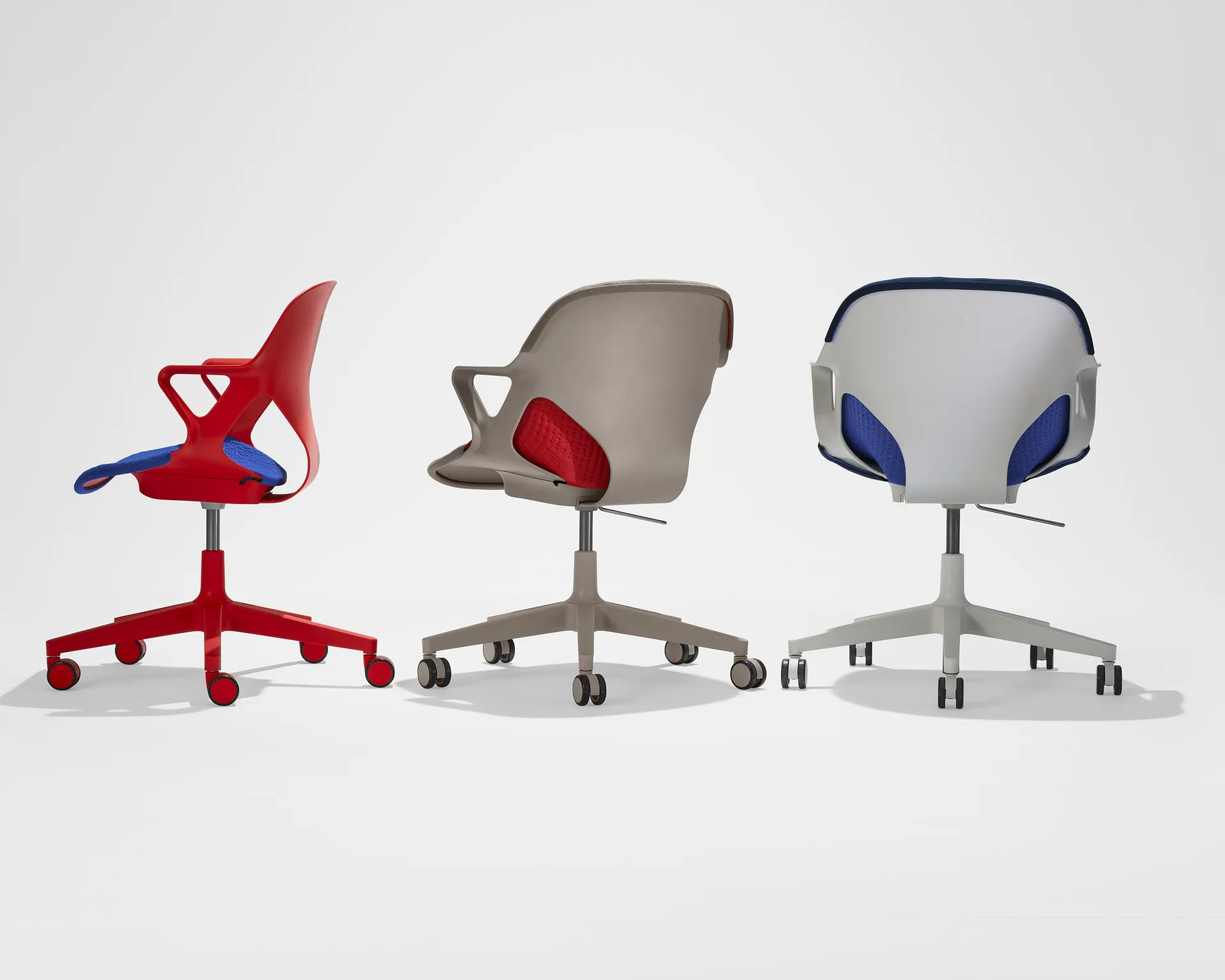
Lumbar support is a key ergonomic feature that supports the natural curve of your spine. Chairs with adjustable lumbar support allow you to fine-tune the level of support to match your lower back’s natural curvature. This helps prevent slouching and maintains the proper alignment of your spine, reducing the risk of lower back pain and discomfort.
Armrest Adjustability
Adjustable armrests contribute to overall comfort and ergonomic support. They should be positioned at a height that allows your arms to rest comfortably, promoting a relaxed posture and reducing strain on your shoulders and neck. Some chairs also offer width and angle adjustments for the armrests.
Seat Depth and Width
Ergonomic chairs often provide options for adjusting seat depth and width. This is beneficial for individuals with different leg lengths, ensuring proper thigh support and preventing pressure on the back of the knees. A well-fitted seat promotes better circulation and minimizes discomfort.

>>>Read more: 10 Essential Insights on What is Home Office Furniture
Recline and Tilt Mechanism
The ability to recline or tilt in a chair is another important ergonomic feature. Reclining allows you to change your sitting position and reduce pressure on your spine. Look for chairs with a synchronized tilt mechanism that supports natural body movement while providing stability.
3. Material and Durability
Breathable Fabrics or Mesh
Choosing a chair with breathable materials, such as mesh or breathable fabric upholstery, is crucial for comfort, especially during extended periods of sitting. Mesh allows air to circulate through the chair, preventing heat buildup and keeping you cool. This is particularly important in environments where the temperature may be higher or if you tend to experience discomfort due to sweating.

Comfort and Feel
Consider the tactile comfort of the chair’s material. Some people prefer the softness of fabric upholstery, while others may like the smooth and cool feel of leather. The choice of material can impact your overall comfort and satisfaction with the chair.
Durability and Longevity
Assess the durability of the materials used in the chair’s construction. High-quality materials, such as sturdy metals for the frame and robust fabrics or leather for upholstery, contribute to the chair’s longevity. Investing in a chair with durable materials ensures that it can withstand daily use and remains in good condition over time.
Maintenance and Cleaning
Consider the ease of cleaning and maintaining the chair. Different materials have varying cleaning requirements. For example, leather may require specific cleaning products to maintain its condition, while fabric upholstery might be machine washable or easier to spot clean. Choose a material that aligns with your preferences and maintenance capabilities.
Environmental Considerations
Some individuals prioritize environmentally friendly options. If sustainability is a concern, look for chairs made from recycled or eco-friendly materials. Additionally, consider whether the chair is recyclable or made from materials that have a lower environmental impact.
4. Style and Aesthetics
Functional Design:
Style doesn’t have to come at the expense of functionality. Many modern office chairs are designed with both aesthetics and functionality in mind. Look for chairs that offer a balance between a stylish appearance and ergonomic features. This ensures that you not only enjoy the visual appeal of the chair but also benefit from the comfort and support it provides.
Versatility
Consider the versatility of the chair’s design. A chair with a versatile and timeless style can adapt to changes in your home office decor over time. This flexibility allows you to make updates to your workspace without needing to replace major furniture pieces.
Brand and Design Options
Different brands offer various design options, ranging from classic to contemporary styles. Explore the design catalogs of reputable manufacturers to find a chair that aligns with your preferences. Some brands also collaborate with designers to create chairs that are not only functional but also artistic pieces.
Color Palette
Consider the color scheme of your home office and choose a chair that complements or contrasts with the existing palette. The right color can add a touch of vibrancy or sophistication to your workspace. Additionally, consider how easy it is to clean and maintain the chair in the chosen color.

Guest-Friendly Design
If your home office serves as a multi-functional space or if you often have guests, choose a chair that is inviting and guest-friendly. This could involve selecting a chair that complements a sitting area or choosing a design that is universally appealing.
>>>Read more: The 13 Best Office Chairs
5. User Reviews and Recommendations
Before making a final decision, explore user reviews and seek recommendations from colleagues or online communities. Real-world experiences can provide valuable insights into the comfort, durability, and overall satisfaction of a particular home office chair.
6. Budget Considerations
Establish a budget range before starting your search. While it’s tempting to splurge on a high-end chair, there are excellent options available at various price points. Balancing quality with your budget ensures you find a chair that meets your needs without breaking the bank.
7. Test Before You Buy
Whenever possible, test the chair before making a purchase. Visit a local furniture store or showroom to experience the comfort and functionality firsthand. This step can help you make an informed decision and avoid potential regrets after the purchase. So, if you’ve been pondering, “Choosing the 7 Ideal what chair to buy for home office” you now have the answers you need to make a well-informed choice for your home. Q-Furniture hopes these guides will help you better your home design. If you have any questions, please contact us on the hotline at 0908 759 399. We are happy to assist and answer all your questions! Or you can follow and contact us on Linkedin here!








