


Designing kitchen furniture is a creative and functional process that requires careful planning and attention to detail. A well-designed kitchen, as part of your home’s interior design, can enhance the overall aesthetics of your home while maximizing its functionality. In this comprehensive guide on how to design kitchen furniture, we’ll take you through the essential steps to create a kitchen that meets your needs and style. Whether you’re embarking on a kitchen renovation or starting from scratch, these steps will help you transform your cooking space into a beautifully designed and highly functional area.
Introdu ction
ction
Welcome to an exciting journey through the art of kitchen furniture design, where creativity and functionality unite to transform your cooking space into a masterpiece. Your kitchen is more than just a room; it’s the heart of your home, a canvas for your culinary adventures, and a reflection of your unique style. In this comprehensive guide, we’ll be your trusted guides as we embark on the essential steps to curate a kitchen that seamlessly blends your needs with your personal aesthetic.
Whether you’re embarking on a kitchen renovation or starting from a blank slate, these insights will empower you to craft a kitchen that is not only beautifully designed but also highly functional. From assessing your space to adding personal touches, we’ll help you unlock the secrets of creating a kitchen that’s both a culinary haven and a design delight.
Join Q-furniture as we explore the many options, guiding you to choose your stylish and durable kitchen furniture.

1. Assess Your Space
Before diving into the design process, evaluate the available space in your kitchen. Start by measuring the entire kitchen space accurately. This includes measuring the length and width of the room. Use a tape measure or any appropriate tools to obtain precise measurements. Make sure to record these measurements on a piece of paper or use a digital device to keep track.
Take note of any architectural features within the space. This includes the location of windows, doors, and structural elements like support columns or load-bearing walls. These features can significantly impact your kitchen’s layout and design, as they might dictate where you can place cabinets, appliances, or other elements.

Consider the traffic flow within your kitchen. Think about how you, your family members, and guests move through the space. Ensure that there’s enough space for people to navigate comfortably without feeling cramped. For instance, the kitchen work triangle, consisting of the stove, sink, and refrigerator, should be positioned in a way that minimizes unnecessary movements while cooking
2. Define Your Style
Every kitchen has its unique style. Whether you prefer a modern, minimalist look, a classic and timeless design, or something in between, it’s essential to determine your preferred style. Your style choice will guide the selection of materials, colors, and furniture pieces. A modern kitchen often features sleek, clean lines and a minimalist aesthetic. It utilizes materials like stainless steel, glass, and high-gloss surfaces. Colors tend to be neutral and subdued, and there’s a focus on simplicity and functionality. Your personal preferences play a significant role in defining your kitchen style. Think about your favorite colors, materials, and design elements that resonate with you.

3. Choose Quality Materials
Selecting the right materials is crucial for the durability and aesthetics of your kitchen furniture. Opt for high-quality materials like hardwoods, stone countertops, and stainless steel appliances. Quality materials ensure your kitchen will stand the test of time and look beautiful for years to come. By choosing quality materials that align with your style and budget, you’ll create a kitchen that not only looks stunning but can withstand the demands of daily life and remain a functional and attractive space for years to come.
>>> Our Most Views Post: Best Place To Buy Furniture in 2023
4. Plan The Layout
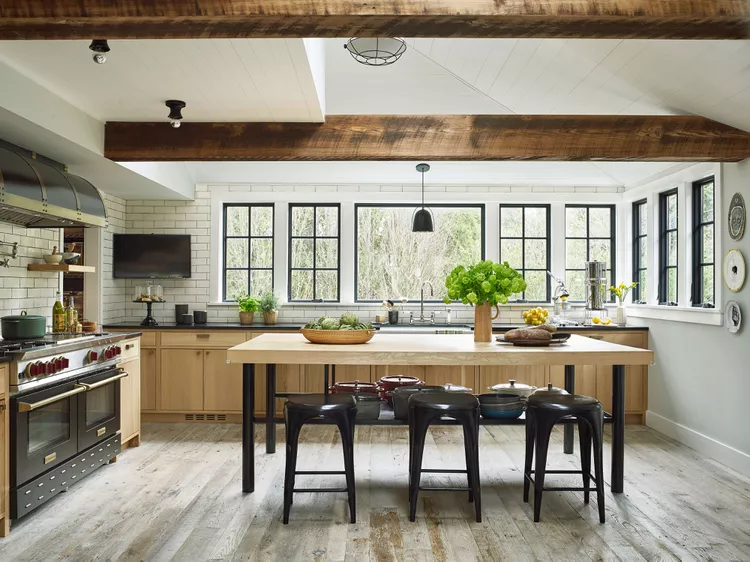
Efficient kitchen furniture design revolves around an effective layout. The classic work triangle, consisting of the stove, sink, and refrigerator, should be strategically placed for convenience. Think about the flow of your kitchen and the placement of cabinets, countertops, and appliances to make cooking and meal preparation effortless. Keep in mind that your kitchen layout should be flexible to accommodate your cooking style and evolving needs. Consider incorporating multi-functional elements like kitchen islands that can serve as prep areas, dining space, and extra storage.

5. Maximize Storage
One of the biggest challenges in kitchen furniture design, as part of the broader process of designing kitchen furniture, is optimizing storage space. The kitchen is one of the areas in your home that demands the most storage, given the large number of items it needs to accommodate, as part of the overarching process of how to design kitchen furniture.
From cookware and utensils to food and small appliances, a well-organized kitchen needs effective storage solutions. In this guide, we’ll explore how to make the most of your kitchen’s storage potential by considering elements such as deep drawers, pull-out pantry shelves, and corner cabinets. These well-planned storage solutions are essential to ensure your kitchen furniture design is both functional and keeps your kitchen organized and clutter-free.
6. Lighting Matters
Proper lighting is a fundamental aspect of kitchen furniture design. Under-cabinet lighting, pendant lights, and task lighting ensure a well-lit and inviting workspace. Natural light should also be incorporated when possible, as it can create an open and airy atmosphere.
Lighting plays a crucial role in setting the mood and ambiance of your kitchen. You can adjust the lighting to create different atmospheres for various occasions. For example, softer lighting can create a cozy and intimate feel for dinner, while bright task lighting is perfect for food preparation.
Dimmer switches can be used to control the level of illumination according to your needs.
>> Read more: How to Paint Kitchen Cabinets: Transform Your Space with Unbelievable Style 2023
7. Personalize Your Design
Add personal touches to your kitchen by choosing hardware, fixtures, and decor that reflect your personality and style. This could include unique cabinet handles, colorful backsplashes, or artwork that complements your kitchen’s aesthetic – reflecting Your Personality.
Your kitchen should be an extension of your personality and style. It’s a space where you spend a significant amount of time, so adding personal touches makes it more comfortable and inviting.
When you personalize your kitchen, it becomes a reflection of who you are. Your kitchen can also be a great place to showcase personal collections, such as vintage cookware, antique dishes, or even a collection of herbs or spices. These collections not only add character to your kitchen but also serve as conversation starters when you entertain guests.
Incorporating artwork or decor items that align with your interests and taste can make your kitchen more inviting. For instance, you might hang paintings, display culinary-themed art, or add shelves for decorative items that you love.
>> Read more: 20 Tips for How to Design a Kitchen Where You’ll Love to Cook
Conclusion
Designing kitchen furniture is a creative process that requires thoughtful planning and attention to detail. By assessing your space, defining your style, choosing quality materials, planning an efficient layout, maximizing storage, paying attention to lighting, and adding personal touches, you can create a kitchen that serves its purpose and enhances your home’s beauty. Incorporating these design principles into your kitchen furniture project will result in a space that is both functional and visually appealing, making it a hub for culinary creativity and family gatherings.








