The Guide About Terrazzo You Have to Know
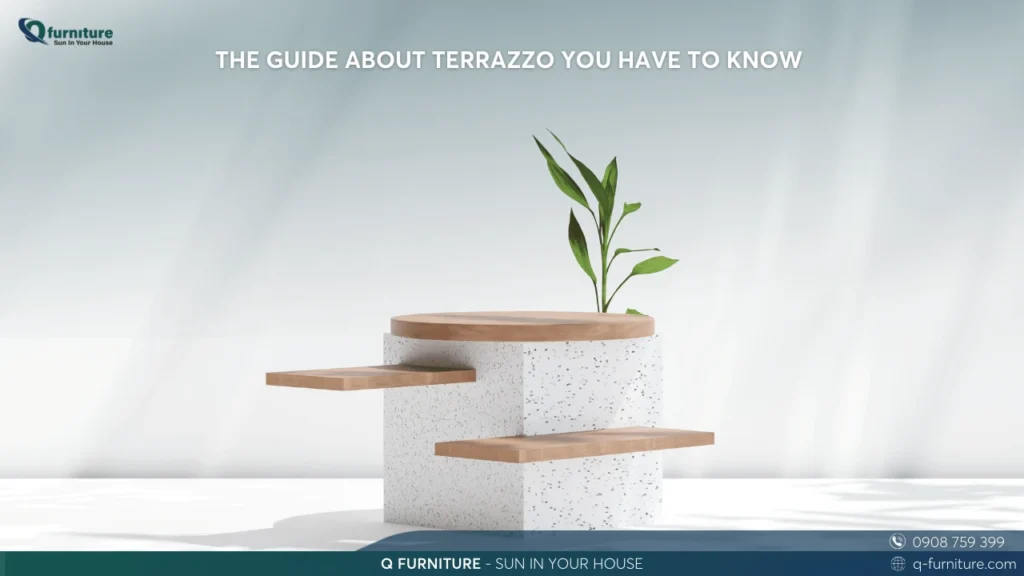
What is Terrazzo? Terrazzo, in furniture, combines marble or granite chips with a binding material like cement or epoxy resin to create unique, durable pieces. This versatile material offers a wide range of colors and patterns, making it a popular choice for stylish and long-lasting furniture options.

What Is Terrazzo ?
Terrazzo, a remarkable building material celebrated for its versatility in crafting unique finishes, holds a distinctive position in architectural design. What is Terrazzo? Terrazzo stands as a composite marvel, capable of being poured in situ or fabricated as precast elements for a myriad of applications. It finds its niche in flooring, walls, stair treads, countertops, and an array of custom products, each showcasing its inherent beauty and functionality.
But what is Terrazzo, precisely? It’s an amalgamation of marble, granite, quartz, glass, shell, or other compatible materials, bound together by either a cement or epoxy matrix, offering both strength and aesthetic appeal.
Dividing these terrazzo creations are metal strips, a crucial element that not only enhances design possibilities but also ensures structural integrity. These strips, whether made from aluminum (in epoxy terrazzo), zinc, brass, or plastic, serve multiple purposes—facilitating color transitions, delineating sections, incorporating decorative motifs or logos, and accommodating movements or mitigating cracks.
So, what is Terrazzo? It’s not just a material; it’s an embodiment of creativity, durability, and timeless elegance.

Exploring the Origins of Terrazzo
Terrazzo boasts a fascinating history spanning centuries and continents. Its roots trace back over 500 years to Italy, where marble was the primary material of choice. Venetian artisans, known for their upscale projects, ingeniously repurposed leftover marble fragments for their own residences and terraces, embedding them in a clay mortar base.
The technique of terrazzo is closely linked to “seminato” (meaning seeded). Workers would scatter large marble chips onto wet cement, which would later be ground and polished. These combined methods form the foundation of terrazzo, involving stone pieces bonded to a cement bed.
While traditionally credited to the Italians, evidence of similar floors has been discovered in Turkish ruins dating back 10,000 years.
Today, epoxy-based installations dominate the scene. Introduced in the 1970s, epoxy brought advantages over cement systems, such as faster installation, enhanced design possibilities, and increased durability. According to the NTMA, epoxy terrazzo is considered the top thin-set system, offering durability and cost-effectiveness.

Types of Terrazzo Systems
Terrazzo installation encompasses various options, including cementitious and thin-set epoxy resin systems. Key systems include:
-
-
- Thin-set epoxy
- Polyacrylate
- Sand cushion
- Monolithic
- Bonded
- Rustic

Types of Terrazzo Systems – What is terrazzo ?
-
Thin-set epoxy
Thin-Set Terrazzo Systems use epoxy resin or polyacrylate as the binding material. Polyacrylate, a type of strengthened cement, offers better durability and can allow moisture to pass through.
These systems are installed similarly to regular terrazzo but are at least 3/8 inch thick. Epoxy resin bonds directly to the concrete slab. It’s commonly used in commercial buildings, with over 90% of terrazzo installations in the U.S. being epoxy-based.
Epoxy terrazzo
It offers more color options and can include unique materials like mirrors or Mother of Pearl. It’s thinner, lighter, stronger, quicker to install, and less likely to crack compared to traditional terrazzo. However, it’s only suitable for indoor use and may need extra moisture protection if there’s no vapor barrier under the concrete slab.
Cementitious Terrazzo
In terms of furniture, Cementitious Terrazzo Systems involve the application of Monolithic Terrazzo. This process entails bonding a ½” terrazzo topping directly onto either a new or existing concrete base. Metal L-angled divider strips are utilized to create defined panels within the terrazzo surface, enhancing both its aesthetic appeal and structural integrity.

Sand Cushion Terrazzo
It involves pouring material over a wire-reinforced mud bed of sand and cement mixture, typically 2 1/2”- 3” thick. Standard metal divider strips are embedded in the soft mud bed to mark joints or color changes. Underneath the mud bed is an isolation sheet and sand dusting layer, creating a floating floor that minimizes cracking.
Monolithic Terrazzo
Monolithic Terrazzo is a type of terrazzo installation where the terrazzo topping is directly poured and bonded to a concrete slab, forming a seamless surface. This method is commonly used for both interior and exterior applications and provides a smooth, continuous finish.

Bonded Terrazzo
On the other hand, Bonded Terrazzo involves adhering precast terrazzo tiles or panels onto an existing substrate using a suitable adhesive. This method allows for greater flexibility in design and pattern variations, as well as easier repair and replacement of damaged tiles. Bonded terrazzo is typically used for interior applications and provides a durable and aesthetically pleasing flooring solution.
Rustic Terrazzo
It is also called Washed Terrazzo, and is often used outdoors for its textured, slip-resistant surface. Instead of grinding and polishing, the finish is achieved by lightly washing away some of the cement, revealing the marble, granite, or quartz aggregate. Rustic systems can be installed monolithically or in a bonded mud bed.
Enhancing Furniture: The Importance of Grinding, Grouting, and Polishing Stages
IIn furniture design and fabrication, grinding, grouting, and polishing are essential processes that shape the final appearance and durability of the finished pieces.
Grinding serves as the initial step in refining furniture components. It involves the precise shaping and smoothing of surfaces, removing imperfections, excess material, or rough edges. By meticulously grinding, artisans ensure that each piece achieves the desired level of precision and uniformity, setting the stage for subsequent stages of enhancement.
Following grinding, grouting becomes pivotal in enhancing both the structural integrity and aesthetic appeal of furniture. Grouting involves filling in gaps or crevices with a suitable material, such as epoxy or wood filler. This process not only reinforces the structural stability of the furniture but also contributes to its visual cohesiveness and polished appearance. Grouting ensures that joints are seamlessly integrated, creating a unified and refined finish.

The polishing stage serves as the crowning touch, elevating furniture to a state of gleaming sophistication. Through polishing, artisans bring out the natural beauty of the materials, enhancing their colors, textures, and luster. Whether employing techniques like sanding, buffing, or applying protective finishes, polishing adds a layer of refinement and elegance to furniture, transforming it into a focal point of any space.
Grinding ensures precision and uniformity, while grouting enhances structural integrity and visual cohesiveness. Polishing adds refinement and elegance, bringing out the natural beauty of materials. Together, these stages elevate furniture to a state of timeless sophistication, making each piece a cherished addition to any interior setting.
The New Look of Furniture Aggregates
The evolution of aggregates in furniture design has been marked by a shift towards sustainability, innovation, and aesthetic diversity. Traditional materials like marble, granite, and quartz have long been favored for their durability and timeless appeal.
However, the emergence of engineered aggregates, often composed of recycled materials, offers eco-friendly alternatives with unique textures and colors. Advanced technology has also enabled the development of specialized aggregates, such as lightweight options for reduced furniture weight and enhanced insulation.

Additionally, changing design trends have led to the exploration of unconventional materials like recycled rubber or seashells, adding a new dimension to furniture aesthetics. In essence, the evolution of aggregates in furniture design reflects a balance between tradition and innovation, sustainability and performance, providing designers with exciting opportunities for creativity and expression.
Furniture Maintenance with Terrazzo
Maintaining terrazzo furniture is relatively straightforward, ensuring its longevity and appeal. When properly installed, terrazzo furniture exhibits inherent durability, but like any material, it’s susceptible to wear over time. Employ coasters and potholders to protect terrazzo countertops from moisture and stains.
For regular cleaning, utilize a gentle cleaning solution with a neutral pH balance, avoiding harsh chemicals that may damage the terrazzo. Sweep or dust the furniture regularly to remove debris, and wipe down with a soft cloth dampened with the cleaning solution to remove any stains or marks. Finally, buff the surface gently to restore its shine and maintain its aesthetic appeal.

Terrazzo Furniture: Understanding the Price Tag
Terrazzo furniture presents a unique blend of aesthetics, durability, and versatility, but determining its worth requires a comprehensive evaluation of various factors, from personal preferences to budget constraints.
The cost of terrazzo furniture can vary significantly based on factors such as the type of terrazzo system used, the intricacy of the design, and the size of the project. On average, terrazzo furniture can range from moderately priced options to higher-end custom pieces. While terrazzo offers durability and longevity, it’s essential to consider the initial investment against long-term benefits and aesthetic appeal.

Terrazzo furniture offers several advantages that contribute to its value. Its inherent durability makes it resistant to wear and tear, ensuring that it withstands the test of time with minimal maintenance.
Additionally, terrazzo’s unique aesthetic appeal adds sophistication and elegance to any space, making it a favored choice among homeowners and interior designers. The versatility of terrazzo allows for customization in terms of colors, patterns, and finishes, ensuring that each piece is tailored to suit individual preferences and interior styles.
However, it’s crucial to weigh the cost of terrazzo furniture against alternative materials. While terrazzo offers undeniable benefits, it may come with a higher price tag compared to other options. For those with budget constraints, exploring alternative materials that offer similar durability and aesthetic appeal may be a more practical choice
The Significance of Concrete Terrazzo in Furniture Design
Concrete terrazzo holds significant importance in furniture design due to its remarkable properties and versatility. This material offers a plethora of benefits that make it a favored choice for creating stylish and durable furniture pieces.
First and foremost, concrete terrazzo boasts exceptional durability. Its robust composition and strength make it resistant to wear and tear, ensuring that furniture made from this material can withstand the rigors of everyday use for years to come. This durability translates into long-term value for consumers, as they can invest in concrete terrazzo furniture with confidence, knowing that it will maintain its quality and appearance over time.

Furthermore, concrete terrazzo offers unparalleled design versatility. It can be molded and shaped into a wide variety of forms, allowing designers to create furniture pieces that range from sleek and modern to rustic and industrial. Additionally, concrete terrazzo can be customized with different colors, aggregates, and finishes, providing endless possibilities for creating unique and personalized furniture designs that suit any aesthetic preference or interior style.
In addition to its durability and versatility, concrete terrazzo also boasts environmental benefits. This material is often made from recycled materials, such as crushed glass or marble chips, which reduces waste and minimizes environmental impact. Additionally, concrete terrazzo is energy-efficient to produce and can contribute to a more sustainable approach to furniture manufacturing.

Concrete terrazzo’s significance in furniture design is further underscored by its timeless aesthetic appeal. The natural beauty of the material, with its speckled pattern and subtle variations, adds a touch of sophistication to any space. Whether used in tables, countertops, or decorative accents, concrete terrazzo brings a sense of elegance and refinement to interior environments, making it a sought-after choice for designers and homeowners alike.
In conclusion, concrete terrazzo plays a vital role in furniture design due to its durability, versatility, environmental benefits, and timeless aesthetic appeal. As consumers increasingly prioritize sustainability and longevity in their purchasing decisions, concrete terrazzo emerges as a material of choice for creating stylish, durable, and environmentally-friendly furniture pieces that enhance both form and function in any living space.
You can refer to unique and stylish concrete interior models at QF – Factory Direct Furniture, if you are interested.
At our Q-Furniture Fanpage, we are willing to help you find and buy the most unique and quality furniture models.