
Most Vietnam furniture manufacturers that export are clustered around Ho Chi Minh City (including the former Binh Duong province, merged into the city in 2025) and Dong Nai in the south, with a second hub around Quy Nhon on the central coast. To verify one, confirm it owns its production floor, ask for a recent QC report and export documents, check its specialist material, and see the factory in person or on a live video call before paying a deposit.
Vietnam is one of the world's largest furniture exporters, with wood products and furniture worth around US$16 billion in 2024 according to Vietnamese industry associations. That scale brings choice and also noise: many listings belong to trading companies or agents, not to the factory that casts or builds the piece.
Four kinds of supplier, and how to tell them apart
| Supplier type | What they do | How to recognise them |
|---|---|---|
| Manufacturer | Owns moulds, machines and the production floor | Shows live production, names its QC steps, quotes lead times from its own slots |
| Trading company | Buys from several factories and resells | Very wide catalogue across materials, vague about where pieces are made |
| Sourcing agent | Finds and manages factories for a commission | Charges a fee or margin, offers inspection services |
| Marketplace listing | Any of the above on a B2B portal | Stock photos, the same product under many seller names |
Traders and agents are useful when you need many categories in one container. When you need consistent quality on a specialist material such as concrete or GFRC, dealing with the factory removes a margin and a layer of communication. Q-Furniture is a concrete furniture factory in Ho Chi Minh City; we say openly which project items we coordinate through partner workshops.
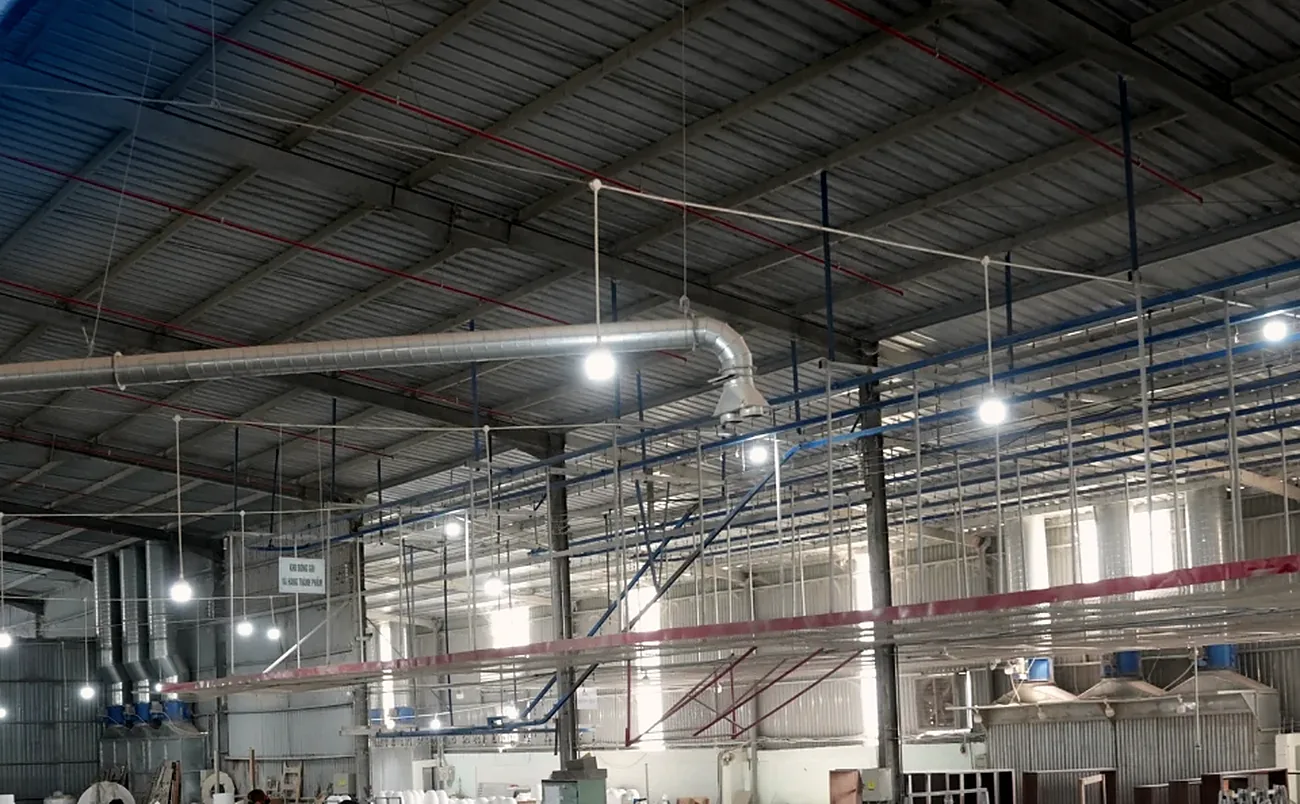
Where Vietnam's furniture factories are
- Ho Chi Minh City region: the largest export cluster, including the industrial wards of the former Binh Duong province. Wood, upholstery, metal, concrete and GFRC.
- Dong Nai: large wood and outdoor furniture plants close to the same ports.
- Quy Nhon and the central coast: outdoor wood and mixed-material furniture.
Most southern exporters ship from Cat Lai or Cai Mep ports. Freight rates and transit times are in shipping furniture from Vietnam.
A 10-point verification checklist
- Business registration and export licence in the company name on the invoice.
- Factory address you can visit, matching the documents.
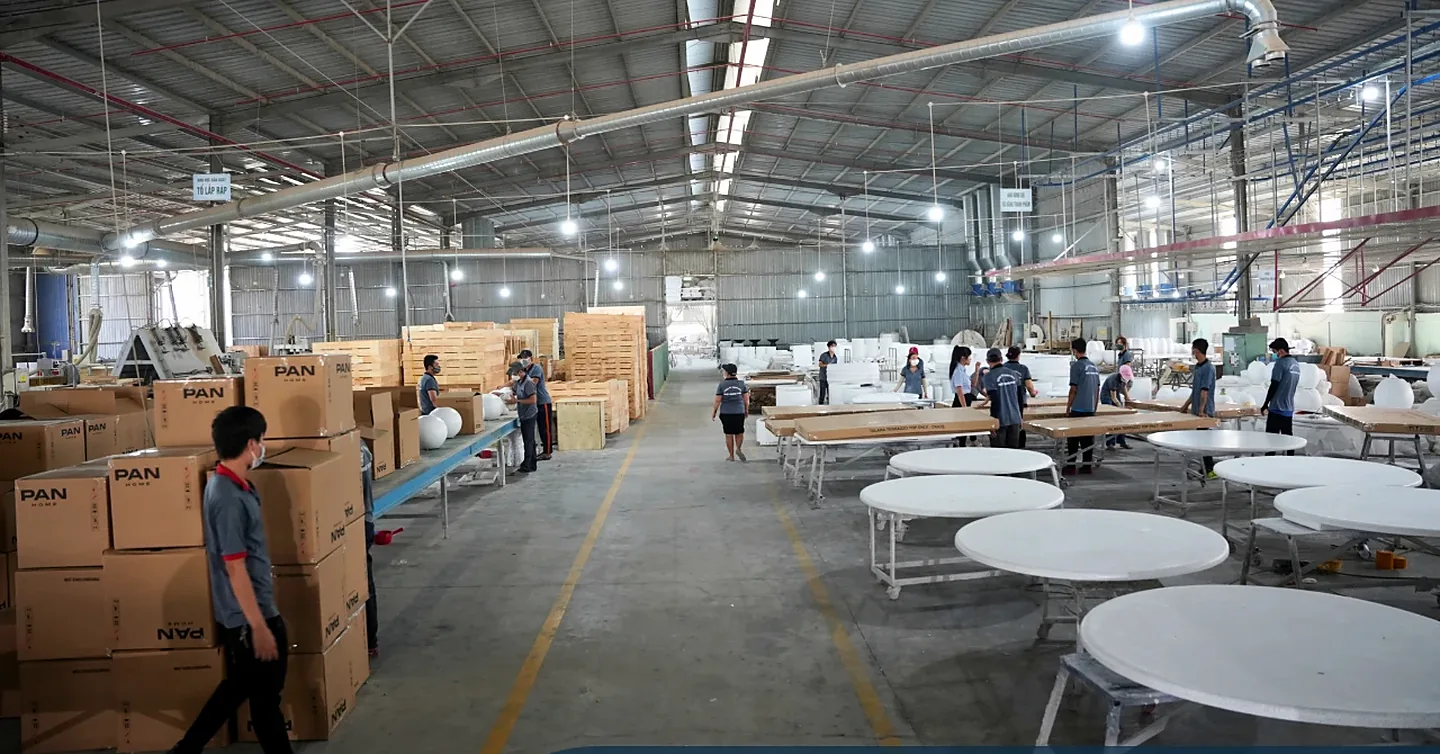
- A live video walk of the production floor, not a pre-recorded film.
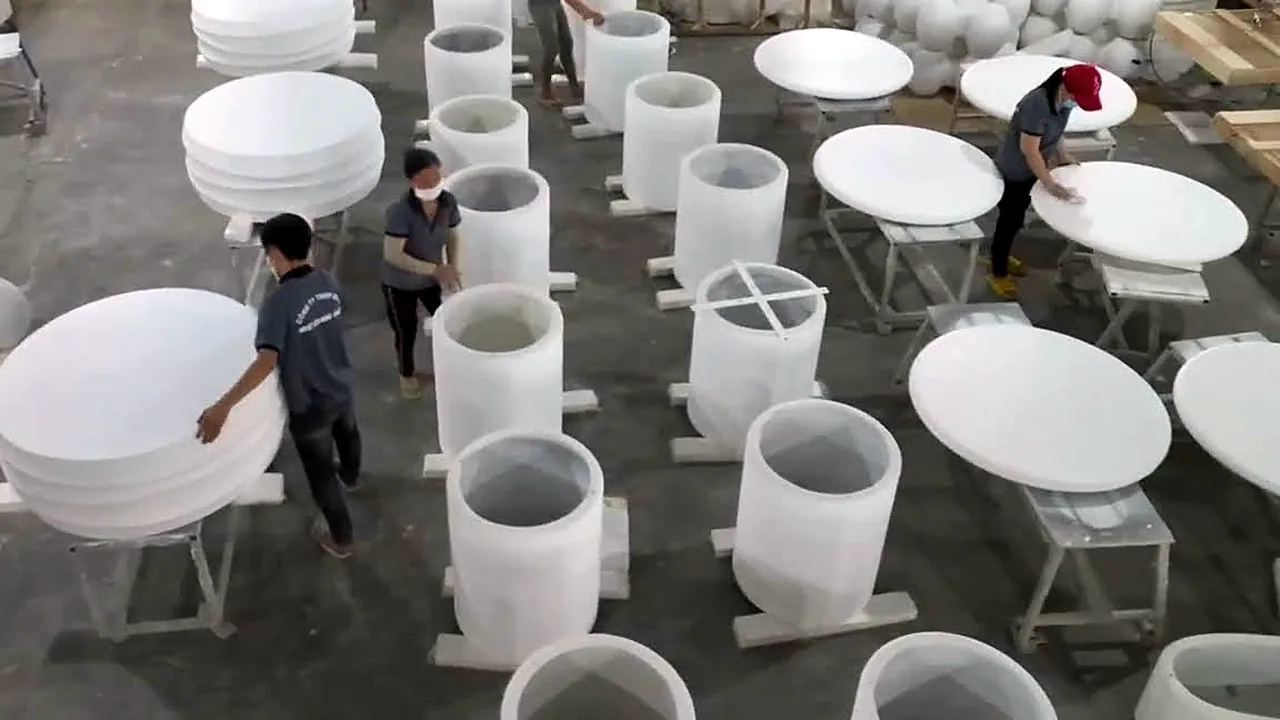
- Moulds or machines for your product type on site.
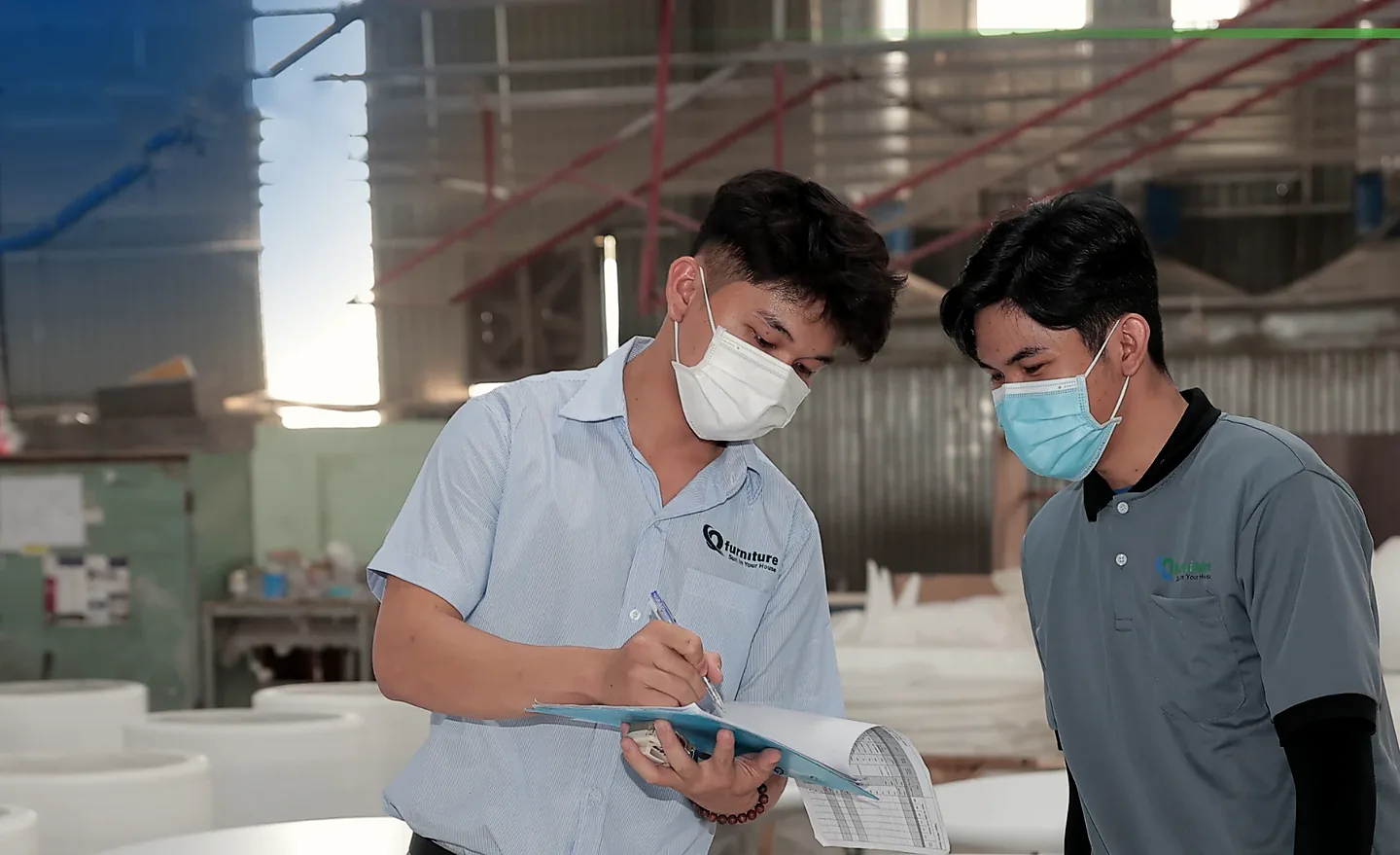
- A written QC process and a recent QC photo report.
- Test records: load, drop and, for outdoor goods, water absorption.
- Export history to your market and the origin documents that go with it.
- Clear MOQ, sample fee and deposit terms in writing.
- A named contact for sales and one for production.
- Willingness to accept third-party inspection before balance payment.
The full version for site visits is our furniture factory audit checklist.
MOQ, lead times and payment norms
| Item | Typical in Vietnam | At Q-Furniture |
|---|---|---|
| MOQ | 50–300 pcs per model, or a container | 20 pcs per model, mixed containers |
| Sample | 2–4 weeks, paid | 7 days for catalogue models, fee credited on first order |
| Production | 45–90 days | 30–45 days after sample approval |
| Payment | 30% deposit, 70% before shipment | 30% with PI, 70% against QC report |
How we quote and our terms are on our pricing and ordering process pages. Who runs the factory, and since when, is on our page about Q-Furniture.
Red flags
- No video call of the floor, or only a showroom.
- Prices well below the market with no explanation of material or thickness.
- Pressure to pay 100% upfront, or refusal of any inspection.
- Bank account in a different company name from the contract.
- Product photos that appear on other brands' websites.
FAQ
Is Vietnam cheaper than China for furniture?
For many categories unit prices are similar; Vietnam often wins on landed cost for EU, UK and CPTPP markets because of free-trade agreements, and on supply-chain diversification.
How do I know a Vietnam furniture factory is real?
Ask for a live video walk of the production floor, the business registration, a recent QC report and export documents in the same company name, then visit or send an inspector.
What MOQ should I expect from a Vietnam furniture manufacturer?
Commonly 50–300 pieces per model. Specialist factories with their own moulds, such as Q-Furniture for concrete, can start at 20 pieces per model.
Do Vietnamese factories do OEM and private label?
Yes, most exporters work OEM and ODM. Read how OEM and ODM work in Vietnam.
Sourcing from Vietnam

Leading 50 Furniture Manufacturers For 2023

Product Source Furniture and Furniture Supply Chain 2024

Import Furniture From Vietnam – Furniture Sourcing & Manufacturing
The Ultimate Furniture Factory Audit Checklist for Sourcing in Vietnam

Why Direct Manufacturer Sourcing Matters

Why Direct Manufacturer Relationships Matter in Sourcing

Vietnam vs China Furniture Sourcing for Importers

Hidden Risks of Choosing Low-Cost Suppliers
