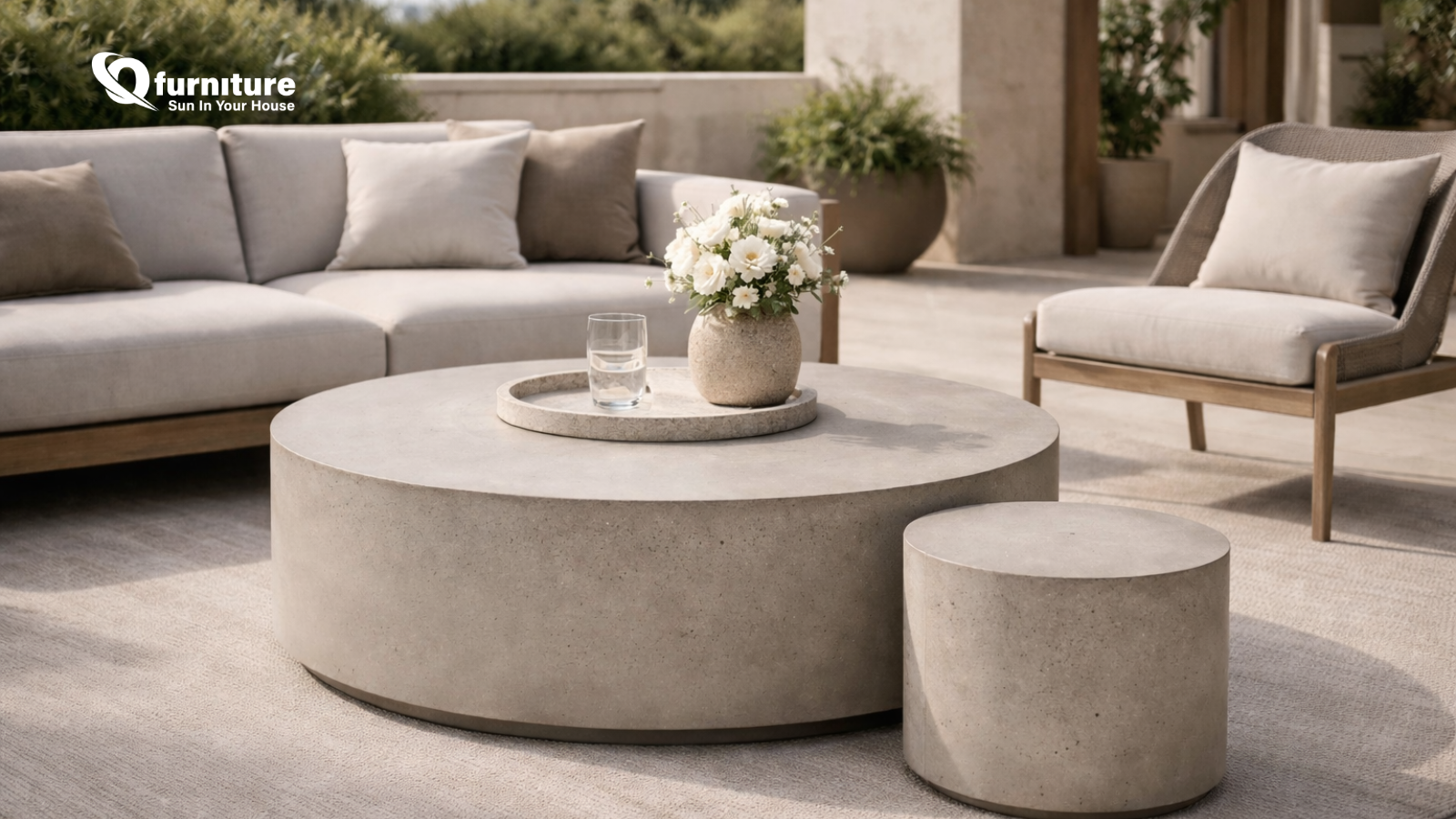
Concrete Block Outdoor Furniture for Commercial Projects
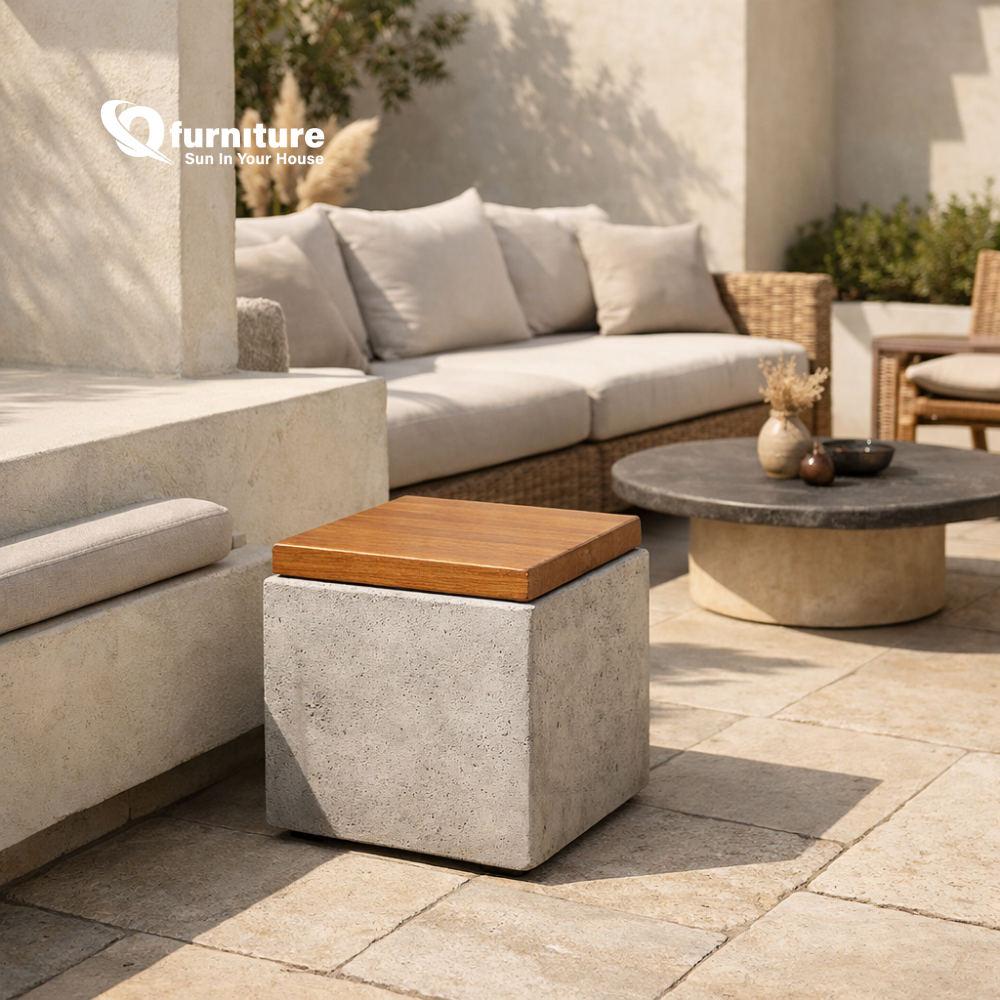
Concrete Block Outdoor Furniture for Outdoor Commercial Projects
Concrete block outdoor furniture is a niche but commercially relevant solution for projects that need visual permanence, outdoor durability, and a stronger architectural presence than lighter outdoor furniture formats typically provide. For B2B buyers, this is less about décor and more about whether the furniture supports the way an outdoor space will be used, maintained, and specified over time. In practice, interest usually comes from hospitality, public realm, campus, and mixed-use projects where layout stability, long-life material perception, and site character all matter. For teams reviewing the wider category, this topic should sit within a broader view of Outdoor Concrete Furniture for Commercial Projects.
What Concrete Block Outdoor Furniture Means in Commercial Projects
How Concrete Block Outdoor Furniture Is Defined in Outdoor Commercial Use
In commercial use, concrete block outdoor furniture generally refers to outdoor furniture that expresses a block-like, mass-heavy, or architectural concrete form rather than only literal stacked blocks. From a sourcing or specification perspective, the term can include precast pieces, integrated seating forms, monolithic benches, block-based tables, and other designs that communicate solidity and permanence in outdoor settings.
That distinction matters because B2B buyers are often searching by material/form language before they narrow down exact product types. A search for concrete block outdoor furniture may reflect an interest in outdoor pieces that feel grounded, stable, and suitable for commercial installations, especially in projects where furniture must visually align with hardscape, landscape, or public-use environments. In that sense, concrete block furniture is often understood as a category direction rather than a single fixed product definition.
Why Concrete Block Furniture Is Considered for High-Traffic Outdoor Spaces
Commercial buyers usually consider concrete block furniture when an outdoor area needs more than a lightweight seating arrangement. High-traffic zones often benefit from furniture that feels fixed in place, resists easy movement, and contributes to a stronger sense of structure within the layout. This can be especially relevant in open-air environments where wind exposure, repeated public use, and operational consistency all affect furniture selection.
There is also a project-planning logic behind the appeal. Concrete block outdoor furniture can help define circulation, edge conditions, and social zones without relying on temporary-looking pieces. For architects, procurement teams, and landscape-led stakeholders, the category is often attractive because it supports both spatial identity and practical outdoor use rather than serving as a purely stylistic choice.
Where Concrete Block Outdoor Furniture Fits Best

Hospitality, F&B, and Outdoor Dining Areas
In hospitality and F&B projects, concrete block outdoor furniture can work well in terraces, resort zones, café exteriors, and restaurant-adjacent outdoor areas where buyers want a more grounded visual language. It is often most suitable at dining or lounge edges, perimeter areas, waiting zones, or partially flexible layouts where some permanence is desirable but the furniture still needs to support commercial guest use.
The key is balance. In these settings, visual mass can create a more premium or architectural feel, but the furniture also needs to support circulation, cleaning access, and operational practicality. When buyers explore concrete block patio furniture in commercial contexts, the term should be understood as a project-use category rather than homeowner patio content.
Public Realm, Landscape, and Urban Projects
Public realm and landscape applications are one of the clearest fits for concrete block furniture. Parks, plazas, civic spaces, streetscape projects, and outdoor social pockets often require furniture that can handle exposure, sustained public interaction, and a stronger sense of permanence. In these settings, block-based or monolithic forms can support both durability expectations and the visual language of the site.
This is where a fixed-feel or permanent-feel layout becomes especially relevant. Even when pieces are technically movable during installation planning, the design intent often favors furniture that reads as stable, site-aware, and resistant to day-to-day disruption.
Office, Campus, and Mixed-Use Outdoor Areas
Office courtyards, campus grounds, and mixed-use developments can also benefit from concrete block outdoor furniture when the project requires defined outdoor social zones with long-term use in mind. These environments often need furniture that can shape informal meeting points, break areas, or shared courtyards without looking temporary or overly residential.
For commercial stakeholders, the value is often in how the furniture supports a durable outdoor identity across repeated daily use. When the project brief prioritizes long-life installation logic and a cohesive relationship with landscape or architectural materials, this category becomes easier to justify.
Concrete Block Outdoor Furniture Types for Commercial Layouts
Concrete Block Outdoor Seating
Concrete block outdoor seating is often the most direct entry point for this category in commercial projects. Bench-like forms, integrated seating edges, and perimeter seating concepts are common because they fit naturally into hospitality, public, campus, and mixed-use layouts. They can help define a zone while also supporting high-use outdoor activity.
This subtype is most relevant when seating needs to feel stable, visually grounded, and aligned with the surrounding built environment. If seating is the main project scope, a dedicated page on Concrete Outdoor Seating for Commercial Spaces should go deeper into layout options, user flow, and selection criteria.
Concrete Block Patio Furniture
Concrete block patio furniture is a useful search variation, but in B2B writing it should be translated carefully into commercial outdoor application language. For commercial buyers, “patio” may refer to hotel terraces, café outdoor areas, semi-open courtyard spaces, or dining-adjacent environments rather than residential patios.
The term is still worth addressing because it reflects how some buyers search, but the content should keep the discussion grounded in specification, performance, and site suitability. In commercial projects, the real question is not whether the furniture fits a patio aesthetic, but whether it fits the operational and spatial needs of the outdoor area.
Concrete Block Furniture for Fixed and Modular Layouts
Concrete block furniture can support both fixed-feel and modular layout strategies, depending on how the project is planned. Fixed-feel layouts are useful when the goal is to create stronger spatial definition, discourage frequent rearrangement, or establish a long-term outdoor composition. This can work well in public-facing or heavily used settings.
Modular planning, on the other hand, may still matter where buyers want repeatable forms, coordinated dimensions, or flexible grouping logic across a site. The important commercial question is whether the furniture should reinforce permanence, support phased layout planning, or do both without creating unnecessary installation complexity.
Material and Performance Considerations Before Specification

Structural Stability, Weight, and Site Conditions
One of the most obvious strengths of concrete block outdoor furniture is weight and perceived stability. For many commercial buyers, that is exactly the appeal. Heavy outdoor furniture can reduce movement, reinforce layout discipline, and perform well in exposed environments where lighter pieces may be less suitable.
However, weight also introduces practical planning requirements. Buyers should evaluate access conditions, surface load considerations, placement logistics, and whether the intended site can realistically support handling and deployment. During supplier discussions, it is useful to clarify piece dimensions, handling assumptions, site constraints, and whether the design intent is best suited to semi-permanent placement.
Surface Finish, Weather Exposure, and Maintenance Needs
Surface finish has a direct influence on how concrete block outdoor furniture performs and ages in commercial outdoor settings. It affects not only the visual outcome, but also how the furniture responds to weather exposure, visible wear, and routine cleaning expectations. A finish that looks appropriate on a concept board may not be the best fit for a heavily used hospitality terrace or public-facing outdoor zone.
Commercial buyers should therefore treat finish as part of performance evaluation, not only appearance selection. The goal is to understand how the surface will weather, how easy it will be to clean, and whether the maintenance burden aligns with the site’s operating reality. Where finish selection is likely to shape the shortlist, buyers should also review Concrete Furniture Finishes for Commercial Use. For teams planning upkeep more closely, Concrete Furniture Maintenance for Outdoor Commercial Settings is the better next step than expanding this page into a full maintenance guide.
Pairing Concrete With Wood, Metal, and Other Commercial Materials
Concrete block furniture is often more commercially versatile when paired with wood, metal, or other materials that adjust the look, user comfort, or project character. These mixed-material solutions can help buyers align the furniture with hospitality, urban, or campus settings without losing the strength and visual weight that concrete contributes.
From a commercial standpoint, material pairing matters because it affects how the furniture is positioned within the project. A more architectural concrete-and-metal expression may suit civic or mixed-use environments, while concrete paired with wood can soften the visual effect in hospitality-led spaces. Buyers should evaluate these combinations based on durability expectations, maintenance logic, and brand or site character rather than aesthetics alone.
How to Source Concrete Block Outdoor Furniture for Outdoor Commercial Projects
Project Brief, Dimensions, and Customization Requirements
Sourcing usually becomes more efficient when buyers prepare a clear project brief before approaching suppliers. For concrete block outdoor furniture, that typically means sharing intended application, layout intent, dimensions, finish direction, quantity expectations, and any project-specific design adaptations. This helps suppliers respond with options that are closer to actual project needs rather than generic catalog recommendations.
Customization matters especially in export-oriented commercial projects, where standard products may still need dimensional adjustment, finish alignment, or coordination with a wider outdoor scheme. If your team is comparing custom requirements across hospitality or public projects, Custom Concrete Furniture for Hospitality and Public Projects is the more specific next step.
MOQ, Lead Time, and Export Coordination
For B2B buyers, sourcing decisions should not stop at design fit. Concrete block furniture also needs to be evaluated in terms of MOQ alignment, production planning, packaging practicality, and shipment coordination. Because product size, weight, and finish can influence logistics, buyers should raise these topics early rather than after shortlisting.
The point is not to assume fixed numbers, but to confirm whether the supplier’s commercial model is compatible with the project. A strong sourcing conversation should cover production expectations, packaging approach, delivery planning, and how export coordination will be handled for the order scope involved.
Quality Control and Long-Term Commercial Suitability
Before shortlisting a supplier, buyers should verify how quality control is managed in relation to appearance consistency, finish execution, dimensional accuracy, and long-term commercial suitability. This is particularly important when the furniture is intended for visible, high-use outdoor areas where inconsistencies can affect both performance perception and project presentation.
Commercial suitability should also be assessed in context. A product that looks right in a catalog still needs to match the exposure level, maintenance capacity, and use intensity of the real project. At this stage, it is reasonable for buyers to request catalogs, discuss project drawings, ask about finish recommendations, or begin an RFQ conversation focused on customization and export support.
Concrete Block Outdoor Furniture vs Cement Block Outdoor Furniture
What Buyers Usually Mean by Each Term
In search behavior, many buyers use cement block outdoor furniture and concrete block outdoor furniture interchangeably. In practical terms, they are often looking for the same type of outdoor furniture direction: heavy, block-like, concrete-based forms for outdoor use. The variation usually reflects common language rather than a precise technical distinction in buying intent.
For commercial content and sourcing conversations, the more important point is clarity. The page should acknowledge how people search, but it should frame the category consistently so buyers understand what is being discussed and suppliers receive a clearer inquiry context.
How to Use the Right Term in Sourcing and Content
For SEO, keeping both “cement block outdoor furniture” and “concrete block furniture” in relevant sections helps capture variation in search wording. For commercial page copy and supplier communication, however, consistency is more useful than repeating too many interchangeable terms. Buyers generally benefit from using concrete block outdoor furniture as the main framing and treating cement block outdoor furniture as a recognized variation.
In sourcing language, the goal is to describe the application, dimensions, finish direction, and commercial intent clearly enough that terminology does not create confusion. In content language, the goal is to meet search behavior while keeping the category definition commercially useful.
FAQ
Is concrete block outdoor furniture suitable for high-traffic outdoor commercial projects?
Yes, it can be suitable when the application, finish, layout intent, and operating conditions are aligned. The category is often considered for high-traffic outdoor commercial projects because it offers visual stability, perceived durability, and a stronger sense of permanence than lighter outdoor furniture formats. That said, suitability still depends on where the furniture will be used, how exposed the site is, how the layout will function, and what level of maintenance the operator can realistically support.
What is the difference between concrete block outdoor furniture and cement block outdoor furniture?
In most buyer searches, the difference is mainly wording rather than intent. Many people use cement block outdoor furniture as a general-language variation of concrete block outdoor furniture. In commercial content and supplier communication, it is usually better to keep one consistent term while still recognizing that both variations may appear in search behavior.
Can concrete block patio furniture be customized for project layouts?
Yes. Concrete block patio furniture can often be adapted around project dimensions, layout logic, finish direction, and quantity requirements, especially in B2B and export contexts. Buyers should prepare a clear brief with drawings, approximate dimensions, finish preferences, and site-use intent so suppliers can advise whether standard options are enough or whether customization is the better route.
How much maintenance does concrete block outdoor seating require?
Maintenance expectations are usually moderate rather than negligible. Concrete block outdoor seating generally needs a finish and cleaning approach that matches the exposure level and traffic conditions of the site. The exact requirement depends on surface finish, weather conditions, visible-use expectations, and how intensively the area is used. For most commercial buyers, the right question is not whether maintenance exists, but whether the maintenance level fits the site’s operating model.