


Selecting the best material for outdoor furniture is crucial to ensure your outdoor space remains stylish, comfortable, and durable. Whether you face extreme weather conditions, intense sunlight, or frequent use, the right material can make all the difference. Factors such as weather resistance, ease of maintenance, and overall durability should guide your decision. This comprehensive guide will help you understand what makes the best material for outdoor furniture, ensuring your investment withstands the test of time and elements.

What’s the optimal material for outdoor furniture?
Selecting the best material for outdoor furniture is crucial to ensure it withstands various environmental conditions while maintaining its aesthetics and functionality. The best material for outdoor furniture must be able to resist the damaging effects of rain, sun, wind, and temperature fluctuations. Factors such as durability, maintenance, and weather resistance are key considerations when making this important decision.
Among the top contenders, teak, cast aluminum stand out as the best materials for outdoor furniture due to their exceptional durability and minimal maintenance requirements. Teak wood, with its natural oils, is renowned for its resistance to water and decay, making it one of the best materials for outdoor furniture in wet climates. Cast aluminum offers a rust-resistant, lightweight option that can handle both heat and cold, while wicker provides the classic look of natural wicker without the susceptibility to UV damage and moisture.
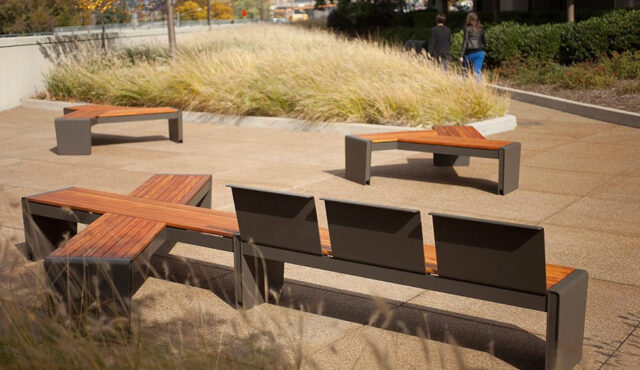
By choosing the best material for outdoor furniture, you can ensure your outdoor space remains beautiful and functional for many years. Investing in high-quality materials not only enhances the longevity of your furniture but also maintains its appearance and comfort, providing a great return on investment. Proper care and maintenance further extend the life of your outdoor pieces, ensuring they withstand the test of time and elements.
Considerations for Outdoor Furniture Materials
Rain and Moisture Concerns for Outdoor Furniture
Outdoor furniture must be able to endure exposure to rain and moisture without deteriorating. This includes resistance to mold, mildew, rot, rust, and corrosion, which can compromise the structural integrity and appearance of the furniture. The best material for outdoor furniture should naturally resist these elements to ensure longevity and durability.
Mold, Mildew, and Rot Prevention for Outdoor Furniture
Materials such as teak, cedar, and synthetic options like HDPE wicker are naturally resistant to mold, mildew, and rot. These materials help ensure the longevity of outdoor furniture in damp conditions. When considering the best material for outdoor furniture, look for options that can withstand moisture without succumbing to these common issues.
Preventing Rust and Corrosion in Outdoor Furniture
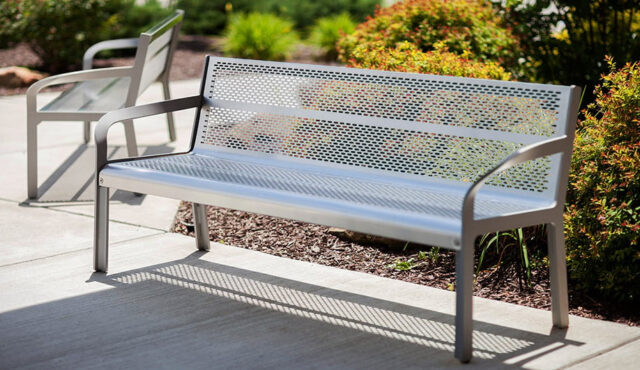
Metal furniture, especially those made from wrought iron or steel, should be treated with rust inhibitors and coated with weather-resistant finishes to prevent corrosion. Aluminum, particularly cast aluminum, is also an excellent choice because it doesn’t rust. Choosing the best material for outdoor furniture means prioritizing metals that can handle exposure to moisture without degrading.
Sunlight Exposure and Temperature Effects on Outdoor Furniture
Constant exposure to the sun and fluctuating temperatures can cause materials to fade, crack, or warp. It’s essential to choose materials that can withstand UV rays and thermal expansion and contraction. The best material for outdoor furniture should be able to resist the harsh effects of the sun and temperature changes to maintain its appearance and structural integrity.
Preventing Fading in Outdoor Furniture due to Sun Exposure
Solution-dyed fabrics, such as olefin and acrylic, are excellent choices for outdoor cushions and upholstery as they are resistant to fading from prolonged sun exposure. These fabrics retain their vibrant colors even after extensive exposure to sunlight. When selecting the best material for outdoor furniture, opt for fabrics that are designed to withstand UV radiation without fading.
Wind Resistance for Outdoor Furniture
Outdoor furniture should be heavy enough to withstand strong winds, especially in open or high-altitude areas. Materials like wrought iron, cast iron, and concrete provide stability and prevent tipping or shifting. The best material for outdoor furniture in windy locations is one that offers substantial weight and sturdiness.
Ensuring Durability in Outdoor Furniture
Durable outdoor furniture materials include teak, cast aluminum, and HDPE wicker, which can withstand various weather conditions and regular use without significant wear and tear. These materials are known for their strength and longevity, making them some of the best materials for outdoor furniture. Investing in durable materials ensures that your furniture will last for many years.
Difficulty of Cleaning and Care for Outdoor Furniture
Easy-to-clean materials like cast aluminum and recycled plastic lumber require minimal maintenance, making them ideal for outdoor settings. These materials resist stains and can be quickly cleaned with mild soap and water. The best material for outdoor furniture should offer ease of maintenance to keep your pieces looking their best with minimal effort.
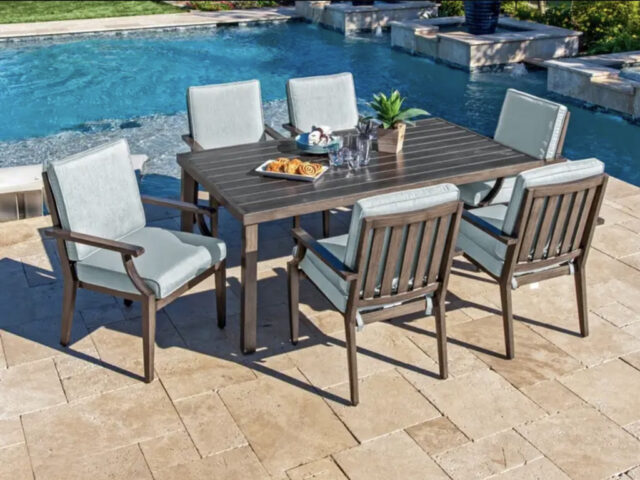
Materials for Frames and Tabletops in Outdoor Furniture
Wood as a Material for Outdoor Furniture
Wood is a popular choice for outdoor furniture due to its natural beauty and strength. However, not all wood types offer the same level of durability and resistance to outdoor elements. When considering wood, the best material for outdoor furniture is one that naturally resists decay and insect damage.
Teak as a Material for Outdoor Furniture
Teak is one of the best woods for outdoor furniture. It contains natural oils that make it resistant to water, insects, and decay. Teak ages gracefully, developing a silver-gray patina over time if left untreated, which many people find aesthetically pleasing. Its natural resilience makes teak the best material for outdoor furniture in various climates.
Shorea Wood for Outdoor Furniture
Shorea is a dense tropical hardwood that offers excellent resistance to moisture, insects, and decay. It is a more affordable alternative to teak, providing similar durability and longevity. For those seeking the best material for outdoor furniture on a budget, shorea is a compelling option.
In conclusion, choosing the best material for outdoor furniture involves considering factors like resistance to rain, sun, and wind, as well as durability and ease of maintenance. Teak, cast aluminum, HDPE wicker, and solution-dyed fabrics are among the top materials that meet these criteria. By selecting the best material for outdoor furniture, you ensure that your investment remains attractive, functional, and durable through all seasons.
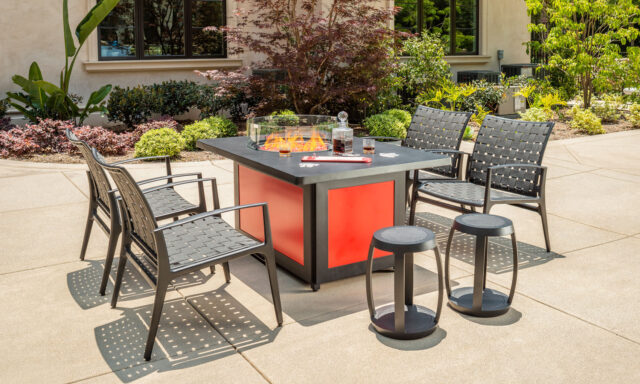
Enhancing Outdoor Furniture Longevity
Enduring Outdoor Conditions
Durable outdoor furniture is designed to endure the challenges posed by weather conditions. High-quality materials and protective finishes help furniture resist damage from rain, sun, wind, and temperature variations. The best material for outdoor furniture must be able to withstand these elements without compromising its structural integrity or aesthetic appeal. For instance, materials like teak and cast aluminum are known for their exceptional resistance to environmental factors, making them some of the best materials for outdoor furniture.
>> Related post: Water Transfer Printing on Furniture: Transform Your Home with Stunning Designs
Complete Assembly
The assembly of outdoor furniture plays a significant role in its durability. Well-constructed joints, reinforced corners, and rust-resistant hardware contribute to a sturdy and long-lasting piece. Ensuring that the assembly process uses high-quality techniques and components is crucial for maintaining the furniture’s durability over time. The best material for outdoor furniture also involves considering how well the materials can be assembled and held together under various conditions.
Framework Design
A robust frame design ensures that outdoor furniture can handle regular use and weight without bending or breaking. Look for frames with evenly distributed support and reinforced areas prone to stress. The design should also accommodate the natural expansion and contraction of materials due to temperature changes. When selecting the best material for outdoor furniture, the frame’s design and how it interacts with the materials used is a critical factor to consider.
Material Composition
Choosing the right materials is paramount for outdoor furniture durability. Opt for materials known for their resilience against environmental factors, such as teak, cast aluminum, and synthetic wicker. These materials not only provide strength and durability but also require minimal maintenance, enhancing their longevity. The best material for outdoor furniture should offer a combination of aesthetic appeal, comfort, and resistance to the elements, ensuring that the furniture remains in excellent condition for years.
By considering these factors and selecting appropriate materials, you can ensure your outdoor furniture remains attractive, comfortable, and functional for many years, providing an excellent return on investment. The best material for outdoor furniture will not only withstand the elements but also retain its beauty and usability over time. By investing in high-quality materials and ensuring proper assembly and design, you maximize the durability and lifespan of your outdoor furniture. This approach helps you enjoy a beautiful and functional outdoor space without frequent replacements or repairs.
>> Related post: Check Out Top 10 Furniture Factory In Vietnam 2024
Explore More Options on the Best Material for Outdoor Furniture
Ready for more inspiration? Discover a range of beautiful concrete design concepts by QF – Factory Direct Furniture.
Embark on a voyage through our Q-Furniture LinkedIn page for tailored guidance in discovering the most exquisite and stylish furniture designs.








