


Mixing white and wood furniture is a design trend that effortlessly blends modern elegance with natural warmth, creating spaces that are both stylish and inviting. This timeless combination offers versatility, making it ideal for various interior styles, from Scandinavian minimalism to rustic charm. By understanding the balance between white’s crisp, clean lines and the rich textures of wood, you can achieve a harmonious aesthetic that feels both fresh and cozy. Whether you’re decorating a living room, bedroom, or kitchen, mastering the art of mixing white and wood furniture can elevate your home’s interior to new heights.

The Aesthetic Appeal of Mixing White and Wood Furniture
Why Mixing White and Wood Furniture is a Timeless Combination
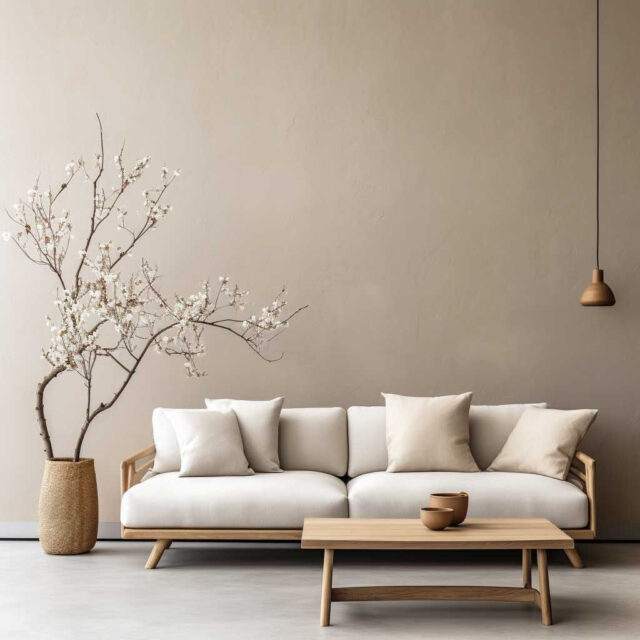
Mixing white and wood furniture has a unique charm that makes it a favorite among designers and homeowners alike. The pairing of these two elements brings together the best of both worlds: the clean, modern appeal of white and the natural, grounding effect of wood. White furniture brightens up a space, making it feel more open and airy, while wood adds warmth and texture, creating a balanced, inviting environment. This combination works beautifully in various interior design styles, offering versatility and timeless appeal.
The Psychological Impact of Mixing Wood and White Furniture in Interior Design
The combination of mixing white and wood furniture also has a psychological impact on the inhabitants of a space. White is often associated with purity, calmness, and simplicity, making it ideal for creating serene environments. Wood, on the other hand, brings an organic, earthy feel that can make a room feel more grounded and connected to nature. Together, mixing wood and white furniture strikes a perfect balance between minimalism and coziness, making spaces feel both restful and inviting.
>> Related post: Understanding and Tackling Furniture Powdery White Mold on Wood
Choosing the Right Wood Tones to Pair with White Furniture
Understanding Warm vs. Cool Wood Tones
Before diving into mixing white and wood furniture, it’s essential to understand the different types of wood tones. Wood generally falls into two categories: warm and cool tones. Warm wood tones, such as oak, walnut, and cherry, have reddish or yellowish undertones and create a cozy, inviting atmosphere. Cool wood tones, like ash, maple, and pine, tend to have gray or bluish undertones and can add a sleek, modern touch to a space. When mixing wood and white furniture, it’s crucial to consider the undertones to ensure a cohesive look.
How to Select a Dominant Wood Tone
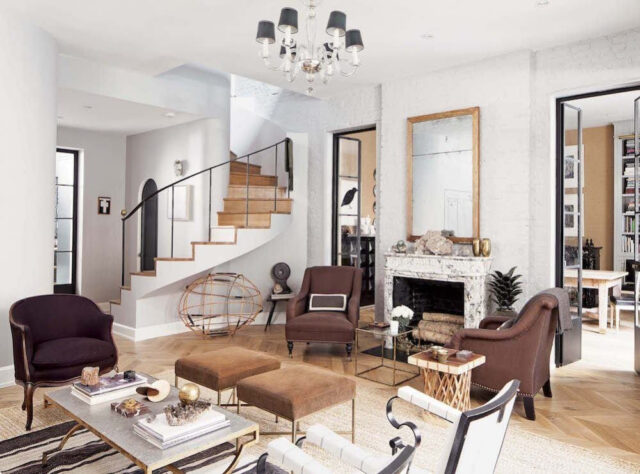
When mixing wood and white furniture in a room, it’s best to start with a dominant wood tone that will set the overall mood of the space. This could be the wood tone of your flooring, a large piece of furniture like a dining table, or even exposed wooden beams. Once you’ve chosen your dominant wood tone, you can then mix in other wood elements and white furniture that complement or contrast with it. For instance, if you have a dark walnut floor, consider pairing it with lighter wood tones and white furniture to create a balanced look.
Matching Wood Undertones with White Finishes
One of the most important aspects of mixing white and wood furniture is matching the undertones of the wood with the right shade of white. Cool wood tones pair well with cool whites that have blue or gray undertones, while warm wood tones are best complemented by warm whites with yellow or beige undertones. This subtle coordination helps create a seamless blend between the wood and white elements, making the space feel more cohesive. Mixing wood and white furniture successfully relies on these carefully selected undertones to harmonize the entire room.
Balancing Contrast in Mixed Wood and White Interiors
How to Contrast Wood Furniture and White Elements Effectively
Contrasting mixing white and wood furniture elements can create visual interest and depth in a room. To do this effectively, focus on balancing the light and dark elements. For example, if you have dark wood furniture, pair it with bright white walls or upholstery to make the pieces stand out. Conversely, if your wood furniture is lighter, consider adding darker white tones or even off-white shades to create a gentle contrast. The key to mixing wood and white furniture is to ensure that the contrast doesn’t feel too harsh but instead enhances the natural beauty of both the wood and white elements.
Incorporating Dark and Light Wood Pieces with White Furniture
When mixing wood and white furniture, it’s important to balance dark and light wood pieces. Darker woods, like mahogany or ebony, can anchor a space and add a sense of richness, while lighter woods, like birch or oak, can keep the room feeling light and airy. Pairing dark wood furniture with white pieces creates a striking contrast, while lighter wood tones paired with white can achieve a softer, more harmonious look.
Using White as an Anchor in Wood-Heavy Spaces
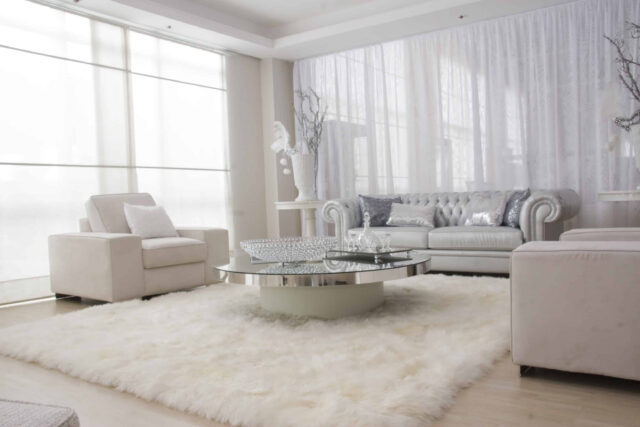
In spaces dominated by wood, such as a rustic cabin or a room with wooden floors and walls, mixing white and wood furniture can serve as an anchor to lighten the space and prevent it from feeling too heavy. Incorporate white elements through furniture, textiles, or even architectural details like trim and molding. This approach not only balances the visual weight of the wood but also highlights its natural beauty by providing a crisp, clean backdrop. Mixing wood and white furniture in such a way ensures that the room remains warm and inviting, yet fresh and modern.
Creating Harmony Between White and Wood Furniture
Tips for Blending Different Wood Tones with White
Blending different wood tones with white furniture can be a bit tricky, but when done correctly, it can create a beautifully layered look. Start by selecting a dominant wood tone and then introduce secondary wood tones that either complement or contrast with it. The white elements in the room will act as a neutral base, allowing the various wood tones to coexist without clashing. Mixing white and wood furniture is made easier when you use accent colors or materials, such as metals or textiles, that complement both the wood and white elements.
The Role of Accent Colors in Harmonizing White and Wood
Accent colors play a crucial role in mixing wood and white furniture. Choose colors that complement the undertones of both the wood and the white elements in your space. For example, soft blues or greens can enhance the natural feel of wood, while warm neutrals like beige or taupe can add depth and warmth to the white elements. These accent colors can be introduced through pillows, rugs, artwork, or even small decorative objects.
Achieving Continuity Through Consistent Finishes
Consistency in finishes is another important aspect of mixing white and wood furniture. Whether it’s the sheen of your wood furniture or the finish of your white pieces, maintaining a consistent finish throughout the room can help create a cohesive look. For example, if you’re using matte white furniture, opt for wood pieces with a similar matte finish. This subtle detail helps unify the different elements in the room, creating a seamless flow from one piece to the next, making mixing wood and white furniture appear effortless.
Softening the Look with Rugs and Textiles
How Rugs Can Break Up and Enhance White and Wood Combinations
Rugs are a fantastic tool for breaking up and enhancing mixing white and wood furniture in a room. A well-chosen rug can add texture, color, and pattern, all of which help to soften the look of mixed furniture. For instance, if you have a wooden floor and white furniture, a rug in a complementary color can help anchor the furniture and create a cozy, inviting space. Choose a rug that complements the wood tones and white elements without overwhelming them, allowing the natural beauty of mixing wood and white furniture to shine through.
Choosing the Best Textures to Complement Mixed Furniture
When mixing white and wood furniture, consider introducing a variety of textures through textiles like throw pillows, blankets, and curtains. Textures add depth and interest to a space, making it feel more layered and complete. For example, a chunky knit throw in a neutral color can add warmth and comfort to a white sofa, while linen curtains can bring a light, airy feel to a room dominated by wood. Mixing wood and white furniture with different textures helps to create a more dynamic and inviting space.
Layering Textiles for a Cozy White and Wood Space
Layering textiles is an effective way to make mixing white and wood furniture feel cozy and lived-in. Start with a neutral base, such as a white or beige rug, and then layer on additional textiles like patterned pillows, textured throws, and soft drapes. The combination of different fabrics and materials adds warmth and personality to the room, making it feel more inviting and comfortable. Mixing wood and white furniture with layered textiles ensures that the space remains visually appealing and comfortable.
Using Patterns and Repetition to Unify White and Wood Furniture
Repeating Elements for Cohesion in Mixed Furniture Spaces
Repetition is a powerful tool for creating cohesion when mixing white and wood furniture. By repeating certain design elements, such as shapes, colors, or materials, you can tie together different pieces and create a more unified look. For example, if you have a white dining table and wooden chairs, consider repeating the wood tone in other elements like picture frames or a coffee table. Similarly, repeating white accents in different parts of the room can help to balance the space and create a sense of continuity when mixing wood and white furniture.
Incorporating Patterns that Complement White and Wood
Patterns can add visual interest and personality to a space where mixing white and wood furniture is the goal. When choosing patterns, look for designs that complement the natural textures of the wood and the clean lines of the white furniture. Geometric patterns can add a modern touch, while floral or botanical prints can enhance the natural feel of the wood. Incorporate patterns through textiles like rugs, pillows, or curtains, ensuring that they complement the overall color scheme and don’t overpower the room. Mixing wood and white furniture with carefully chosen patterns helps to unify the space and adds a touch of creativity.
Using Symmetry and Asymmetry in Mixed Furniture Arrangements
Symmetry and asymmetry both have their place in mixing white and wood furniture. Symmetrical arrangements, such as placing two identical white chairs on either side of a wooden coffee table, can create a balanced and harmonious look. Asymmetry, on the other hand, can add a dynamic and unexpected element to the space. For instance, you might pair a large white sofa with a smaller wooden side table on one side and a larger wooden bookshelf on the other. Both approaches can be effective when mixing wood and white furniture, depending on the look and feel you want to achieve.
Room-Specific Tips for Mixing White and Wood Furniture
Living Room: Pairing White Sofas with Wooden Accents
In the living room, mixing white and wood furniture can create a space that feels both cozy and stylish. Start with a white sofa as the centerpiece and then add wooden accents such as coffee tables, side tables, or shelving. The contrast between the soft white upholstery and the rich wood tones adds depth to the room, making it feel more inviting. To further enhance the look, incorporate accessories like throw pillows, blankets, and artwork that tie together the white and wood elements. Mixing wood and white furniture in the living room is a surefire way to create a warm and welcoming space.
Bedroom: Pairing White Bedding with Wooden Frames
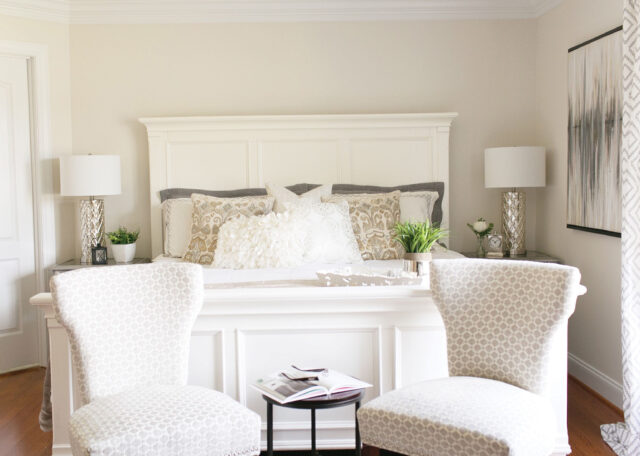
The bedroom is a great place to experiment with mixing white and wood furniture. Start with a white bed frame or bedding and then add wooden elements like nightstands, dressers, or even a wooden headboard. The combination of white and wood creates a serene, calming atmosphere that’s perfect for a restful night’s sleep. To add a touch of warmth, incorporate soft lighting and cozy textiles in complementary colors. Mixing wood and white furniture in the bedroom ensures a balance between relaxation and style.
Kitchen: Combining White Cabinets with Wood Countertops and Floors
In the kitchen, mixing white and wood furniture like white cabinets paired with wood countertops and floors creates a clean yet inviting space. The white cabinets keep the space feeling bright and open, while the wood elements add warmth and texture. To enhance the look, consider adding wooden shelves, bar stools, or even a wooden dining table. The combination of mixing wood and white furniture in the kitchen is not only aesthetically pleasing but also highly functional, making the space feel both stylish and practical.
Dining Room: Mixing White Dining Chairs with a Wooden Table
The dining room is another area where mixing white and wood furniture can create a striking look. Pair a wooden dining table with white chairs for a classic yet modern look. To add depth and interest, incorporate a rug under the table that complements both the wood and white elements. You can also add decorative touches like a wooden buffet or white dinnerware to enhance the overall aesthetic. Mixing wood and white furniture in the dining room results in a sophisticated and cohesive space perfect for entertaining.
Common Mistakes to Avoid When Mixing White and Wood Furniture
Overwhelming the Space with Too Many Wood Tones
One of the most common mistakes when mixing white and wood furniture is overwhelming the space with too many different wood tones. While mixing wood and white furniture can create a layered, dynamic look, too many competing tones can make the space feel chaotic and disjointed. To avoid this, stick to a few complementary wood tones and balance them with white elements to create a cohesive, harmonious look.
Ignoring the Importance of Texture and Finish
Texture and finish are crucial when mixing white and wood furniture. Ignoring these elements can result in a space that feels flat and one-dimensional. Make sure to incorporate a variety of textures through textiles, finishes, and materials to add depth and interest to the room. This could include anything from a matte finish on wood furniture to a soft, plush rug underfoot. Mixing wood and white furniture with attention to texture and finish helps create a more visually appealing space.
Failing to Create a Focal Point
Another common mistake is failing to create a focal point in the room. A focal point helps to anchor the space and draw the eye, making the room feel more balanced and organized. Whether it’s a statement piece of furniture, a piece of artwork, or an architectural feature, make sure to incorporate a focal point that ties together the mixing white and wood furniture elements in the room.
>> Related post: Top Furniture Factories in Vietnam 2024
Final Thoughts on Mixing Wood and White Furniture
Recap of Key Strategies for a Balanced Aesthetic
Mixing white and wood furniture is an art that requires careful consideration of color, texture, and balance. By understanding the different wood tones, balancing contrast, and using repetition and patterns strategically, you can create a space that feels both modern and timeless. Whether you’re decorating a living room, bedroom, kitchen, or dining room, the combination of mixing wood and white furniture is a versatile design choice that can work in any space.
Why White and Wood Will Always Be a Winning Combination in Home Decor
The timeless appeal of mixing white and wood furniture lies in its ability to create spaces that feel both elegant and inviting. This combination offers the perfect balance between clean, modern design and natural warmth, making it a go-to choice for designers and homeowners alike. Whether your style is minimalist, rustic, or somewhere in between, mixing wood and white furniture is a surefire way to create a beautiful, harmonious home.
Elevate Your Home with Mixing White and Wood Furniture
Mixing white and wood furniture is a surefire way to create a balanced and stylish interior. The combination of white’s crispness with wood’s natural warmth offers a versatile aesthetic that works in various settings, from modern to rustic. If you’re looking to source high-quality pieces that will bring this design trend to life, check out QF – Factory Direct Furniture, where you can find a wide selection of beautifully crafted furniture at factory-direct prices. For more design inspiration and updates, connect with Q-Furniture LinkedIn to stay informed about the latest trends and offerings in home décor.








